What Actually Upgrades Your Coffee: Kettle, Grinder, or Machine?
Transparency Note: We independently select these products based on research and user reviews. If you buy something through our links, we may earn a commission.
Once the mornings turn cooler, our house shifts hard from iced coffee back to hot, and every fall I get asked some version of the same question, what's actually worth buying to make coffee better at home. The honest answer surprises most people, it's rarely the espresso machine itself that's holding a cup back. Two much cheaper pieces of gear, a proper kettle and a real grinder, do more for cup quality than the machine most people assume is the bottleneck.
Here's why water temperature and grind consistency matter as much as they do, what to actually look for in each, and specifically what I'd put in a cart if you're upgrading a home coffee setup this season.
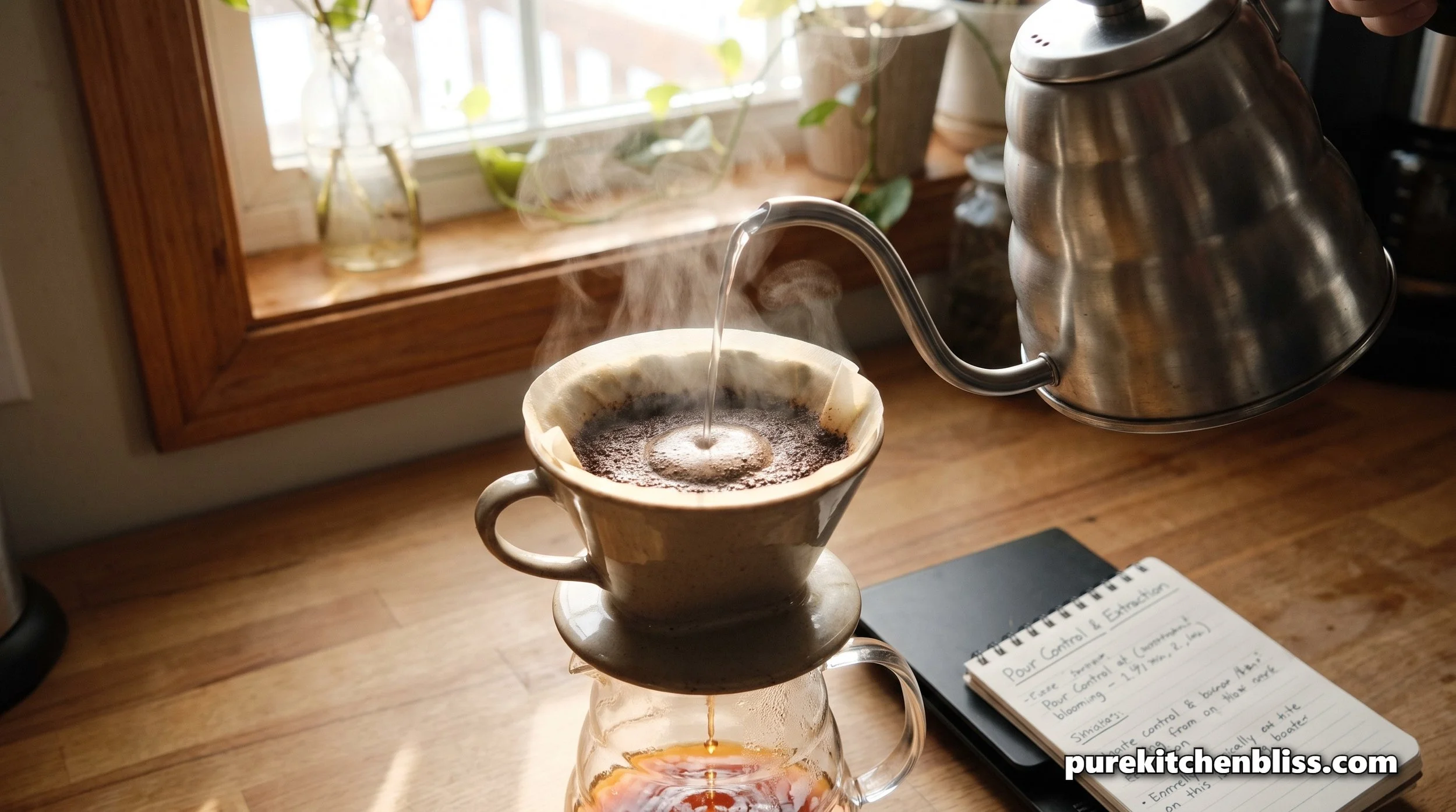
Why water temperature matters more than most people think
Coffee extraction is genuinely sensitive to water temperature, the ideal range for most brewing methods sits between 195°F and 205°F, just below a full boil. Water that's too hot over-extracts the grounds, pulling out bitter compounds along with the good flavor, while water that's too cool under-extracts and leaves coffee tasting flat and sour. A standard kettle gives you no control over this at all, you're either working with a rolling boil or guessing how long to let it sit and cool, which means the same beans can taste noticeably different from one morning to the next depending on how impatient you were.
A kettle with actual variable temperature control removes that guesswork entirely. Set it to 200°F, and it heats to exactly that number and holds it, which means the same beans produce the same cup consistently, brew after brew, rather than depending on how long the water sat after boiling.
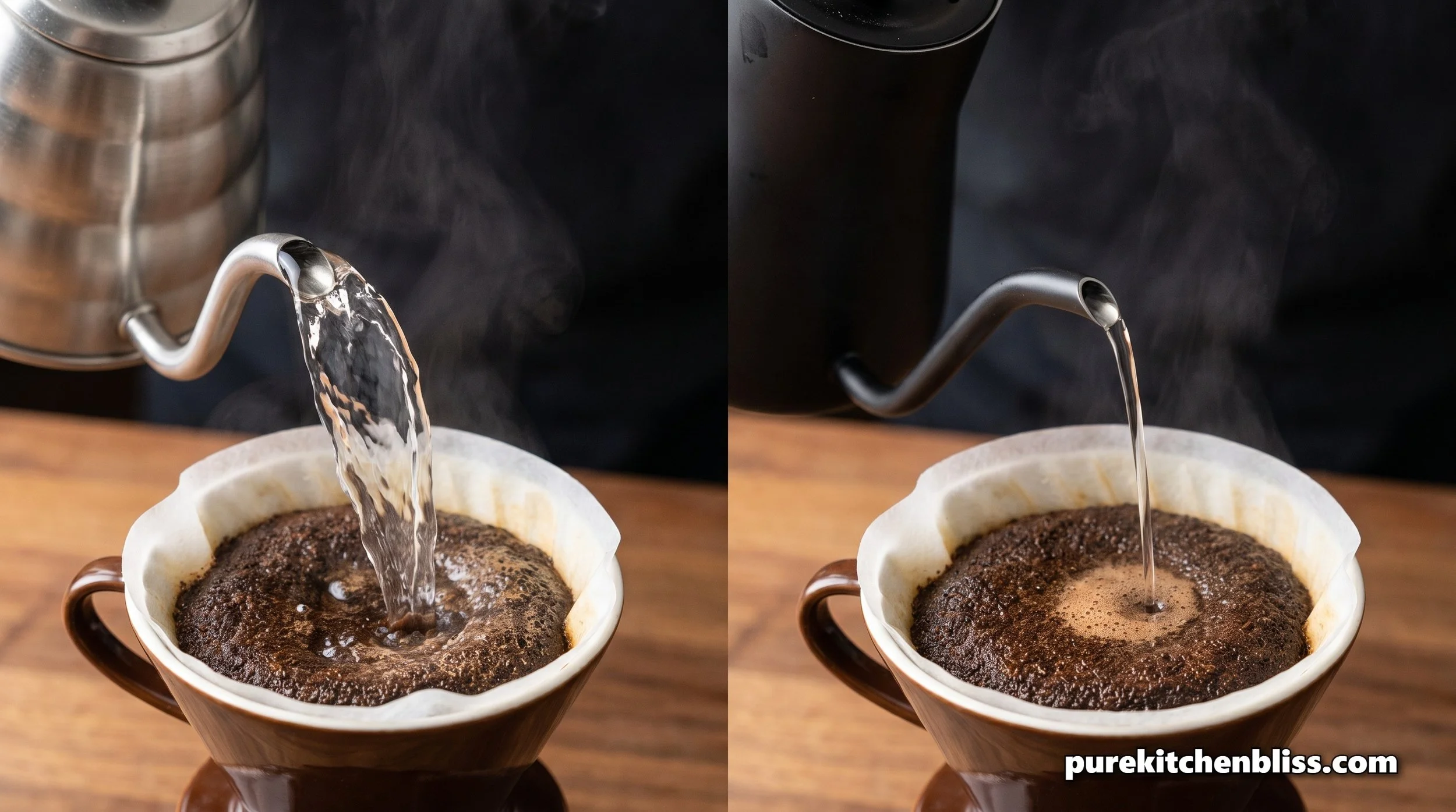
The gooseneck spout isn't just a style choice
For pour-over coffee specifically, a Chemex, a V60, a Kalita Wave, how you pour matters almost as much as the water temperature itself. A standard kettle spout releases water in a wide, uncontrolled stream that floods the coffee bed unevenly, agitating some grounds more than others and producing an inconsistent extraction. A gooseneck spout's narrow, engineered shape creates a slow, controlled, laminar stream, essentially a smooth column of water rather than a splashy pour, which lets you saturate the grounds evenly and pour in a deliberate circular pattern the way a barista would.
This genuinely isn't a cosmetic detail. The difference between a wide-spout kettle and a proper gooseneck shows up directly in the cup, a cleaner, more balanced extraction instead of the sour or bitter unevenness that comes from dumping water onto the grounds all at once.
The grinder is the upgrade most people skip, and shouldn't
If there's one piece of gear that matters more than people expect, it's the grinder, not the brewer, not even the kettle. Pre-ground coffee starts losing aromatic compounds within minutes of grinding, and a blade grinder, the kind that chops beans unevenly with a spinning propeller blade, produces a mix of fine dust and larger chunks in the same batch. That inconsistency means part of your coffee is over-extracted while another part is under-extracted in the exact same brew, which is a big part of why home coffee often tastes muddled compared to a café's.
A burr grinder crushes beans between two abrasive surfaces to a consistent, adjustable particle size, which is the difference between a cup that tastes clean and balanced and one that tastes bitter in one sip and sour in the next simply because the grounds themselves were inconsistent to begin with. If you're only upgrading one piece of coffee gear this year, a decent burr grinder does more for flavor than swapping a $50 kettle for a $150 one.
Espresso machines, and why they're not always the right first purchase
Espresso machines get most of the attention in gift guides and gear roundups, but they're also the most demanding piece of equipment to get right, consistent tamping pressure, correct grind size specifically dialed for espresso, and precise shot timing all have to line up, and getting any one of them wrong produces a genuinely bad shot regardless of how much the machine itself cost. For a lot of home coffee drinkers, a quality pour-over setup or a French press paired with a good grinder produces a more consistently satisfying cup with far less of a learning curve than an entry-level espresso machine does.
If espresso specifically is the goal, budget for the grinder and the machine together rather than spending everything on the machine and using whatever pre-ground coffee is cheapest, since a fine, consistent espresso grind is arguably more important to a good shot than the machine's price tag.
| Item | Impact on cup quality | Priority |
|---|---|---|
| Burr grinder | Highest, fixes uneven extraction | Buy first |
| Variable temp gooseneck kettle | High, fixes temperature and pour control | Buy second, especially for pour-over |
| Entry-level espresso machine | High, but requires skill to use well | Buy once ready for the learning curve |
| Airtight bean canister | Moderate, protects the other upgrades | Low cost, add anytime |
Electric vs stovetop, which one actually fits your kitchen
Electric kettles win on convenience, faster heating in most cases, precise digital temperature control, and a keep-warm function that a stovetop kettle simply can't replicate. They're cordless once off the base, which makes pouring easier, but they add another electrical appliance and base unit taking up counter or cabinet space. Stovetop gooseneck kettles are simpler, generally more durable long-term since there's no electronics to fail, and some people prefer the tactile, ritual feel of watching a kettle heat on the stove rather than a digital display counting up. They're also the better choice for camping or anywhere without a reliable outlet nearby.
For most home coffee routines, the temperature precision and hold function on an electric model outweighs the simplicity of stovetop, but if you already have a reliable way to judge water temperature, near-boiling for most dark roasts, slightly cooler for lighter roasts, a well-made stovetop gooseneck is a genuinely capable, lower-maintenance option.
Descaling matters more than people realize, especially with hard water
Mineral buildup from hard water accumulates inside any kettle over time, and it affects more than just appearance, scale buildup can slow heating efficiency and, in electric models, interfere with the heating element's accuracy over months of use. A simple descaling routine, filling the kettle with equal parts water and white vinegar, letting it sit for 30 minutes to an hour, then rinsing thoroughly, clears this buildup without any harsh chemicals. Doing this every four to six weeks in a hard water area keeps both the kettle's performance and your coffee's taste from being affected by mineral residue building up where the water actually heats.
If hard water is a broader issue throughout your home, not just in the kettle, our sister site's guide to hard water filtration covers the whole-house side of the same mineral buildup problem.
Keeping beans fresh once you've upgraded the gear
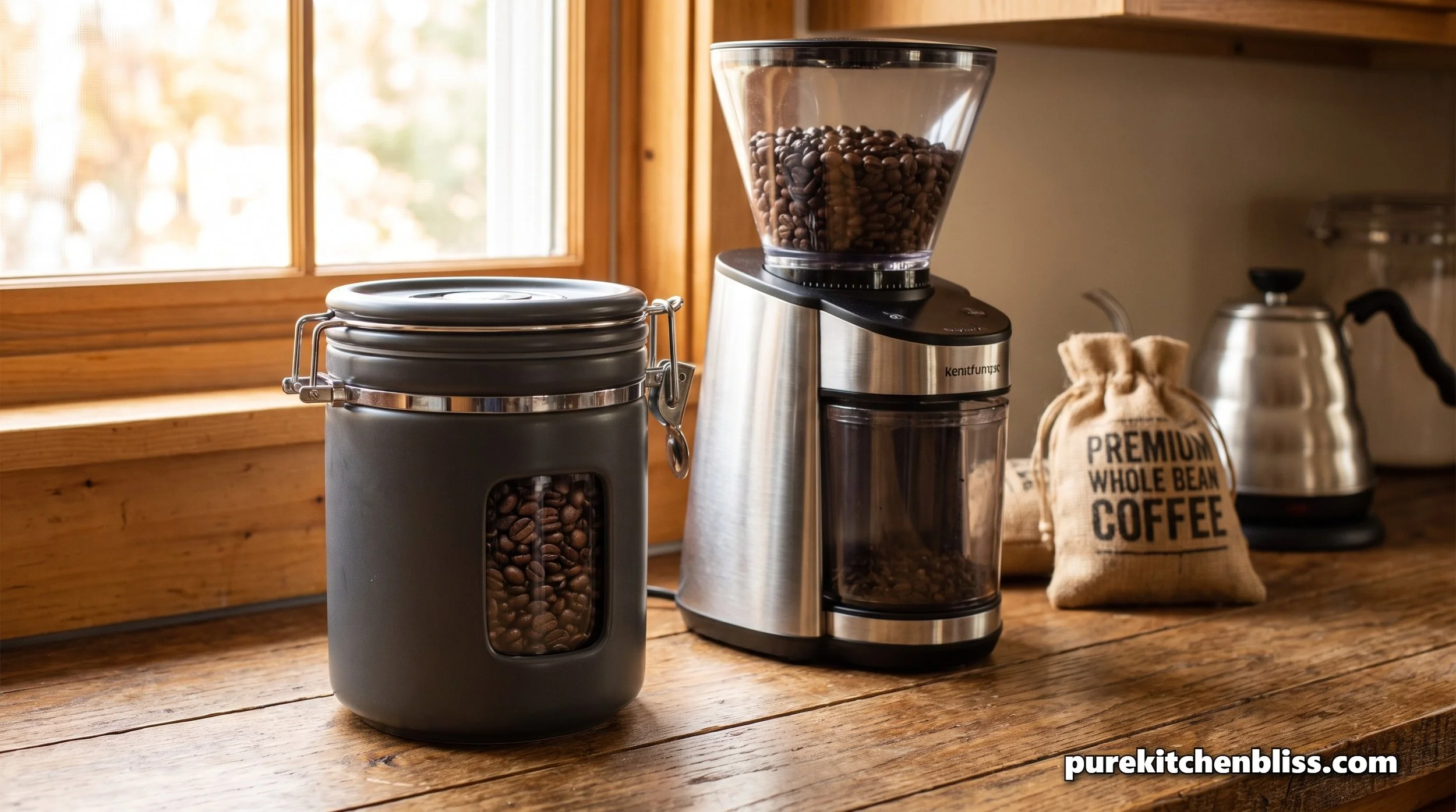
None of this matters much if the beans themselves have gone stale. Coffee is best used within two to four weeks of roasting, and airtight, opaque storage away from heat and light protects that freshness far better than the paper bag most beans ship in. If your fridge and pantry storage could use a broader reset alongside a coffee gear upgrade, our fridge and freezer organization guide and our fridge storage container roundup both cover the same airtight, organized storage thinking that applies directly to beans as well as food.
And if you're the type who ends up with a bag of used grounds every morning, they're genuinely useful beyond the trash, we cover how in our guide to using coffee grounds for plants.
What I'd actually put in your cart
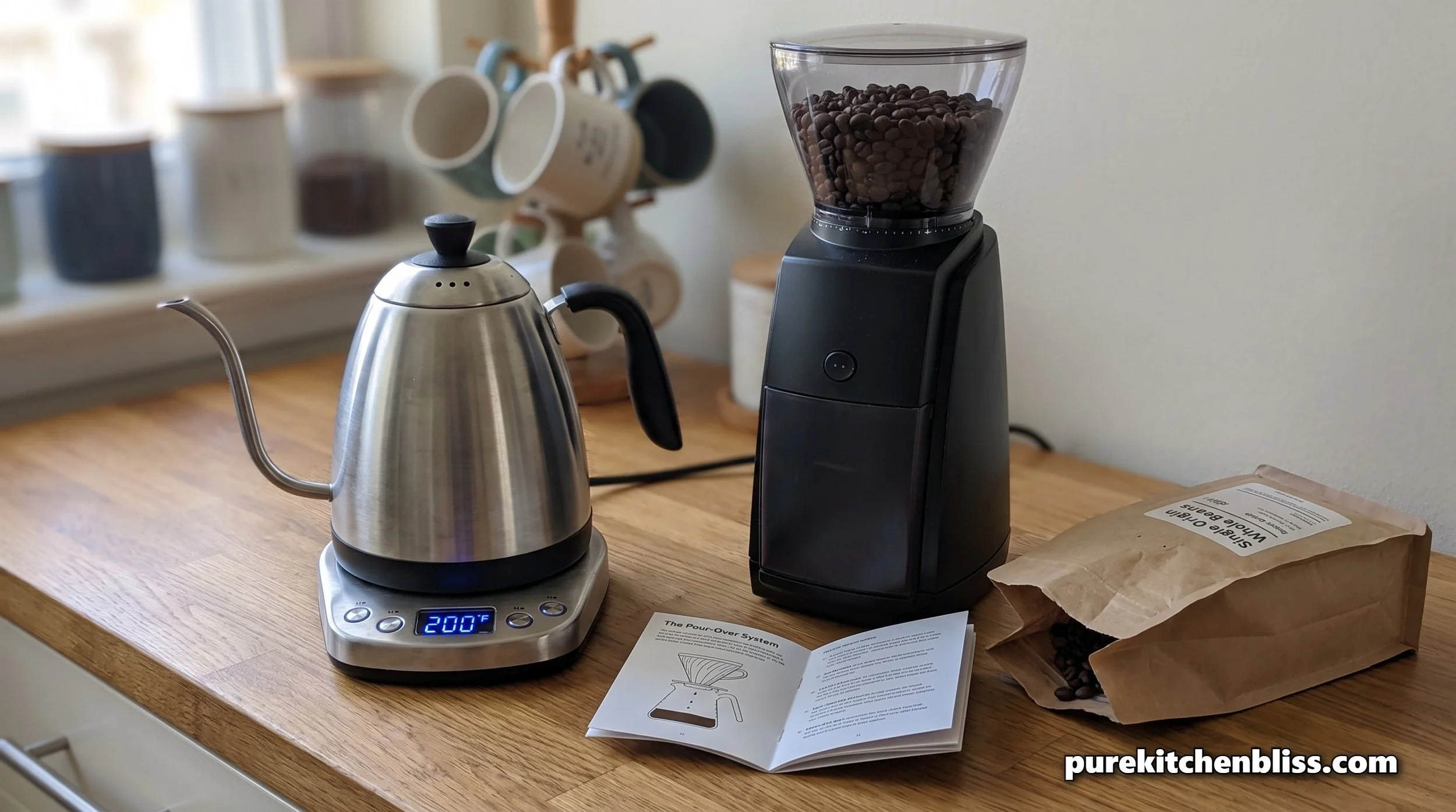
For the kettle, a variable temperature electric gooseneck kettle is the single upgrade that changes your morning routine the most immediately, precise temperature control paired with a controlled pour solves both the extraction and evenness problems at once. For the grinder, a burr coffee grinder with a wide adjustment range handles everything from a coarse French press grind to a fine espresso grind, which matters if you're not sure yet exactly which brewing method you'll settle into. If you're building toward espresso specifically, an entry-level espresso machine paired with that same grinder gets you a genuinely good shot without the five-figure commercial equipment price tag. And for keeping beans at their best between grinding sessions, an airtight coffee canister protects the freshness you just paid for with better beans in the first place.
What this actually comes down to
If you're upgrading a home coffee setup this fall, start with the grinder, it has the single biggest impact on flavor consistency of anything on this list. Add a variable-temperature gooseneck kettle next if pour-over or manual brewing is part of your routine, since precise water temperature and controlled pouring solve two of the most common causes of a mediocre cup. An espresso machine is worth it once you're ready for the learning curve that comes with it, not as the first purchase that's supposed to fix everything on its own.