
What Actually Upgrades Your Coffee: Kettle, Grinder, or Machine?
Once the mornings turn cooler, our house shifts hard from iced coffee back to hot, and every fall I get asked the same question, what's actually worth buying to make coffee better at home. The honest answer surprises people, it's rarely the espresso machine itself that's holding a cup back.
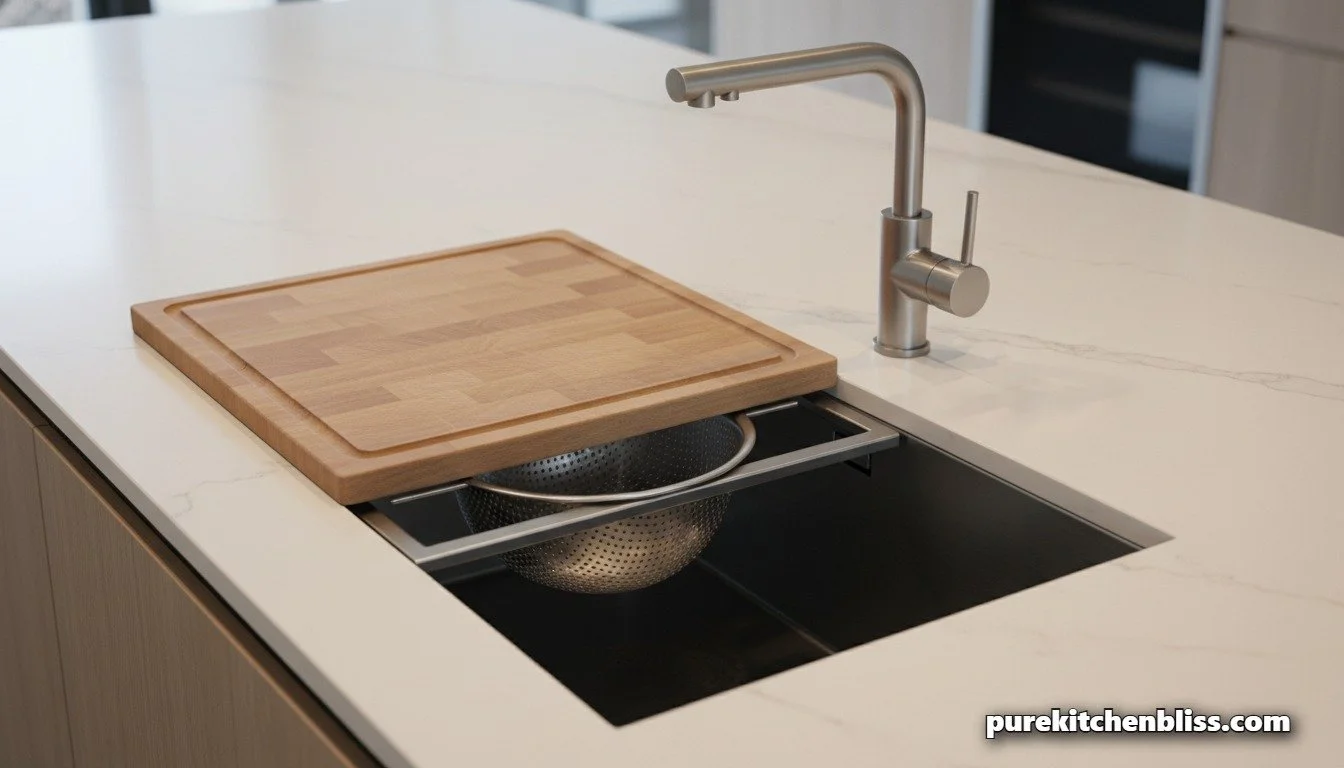
The Workstation Sink Showdown: Kohler Prolific vs. Ruvati Roma 🚰💥
If you’re planning a major kitchen overhaul, I need you to promise me something: delete the standard, basic double-bowl sink from your floor plans immediately. 🛑
As a carpenter and a coffee shop owner, I view a kitchen sink not just as a place to rinse coffee cups, but as the primary engine room of the house. In a home with four kids, the sink zone faces constant traffic. If your sink is poorly designed, it turns into a cluttered bottleneck of dirty pots and damp dish towels, completely destroying your kitchen sanctuary vibe.
In 2026, the industry standard has shifted entirely to workstation sinks, deep, single-basin hubs featuring integrated sliding ledges that support cutting boards, colanders, and drying racks. They effectively convert your sink into a multi-tiered prep station, keeping the mess entirely below the counter line.
But if you start shopping, you’ll find two premium titans dominating the market: the Kohler Prolific and the Ruvati Roma. Today, we’re putting away the marketing brochures and using raw builder logic to run a brutal, hands-on mechanical comparison of these two heavyweights.

The Breath of Bliss: Top 2 Amazon Air Diffusers for Your 2026 Kitchen Sanctuary 🌬️
If you’ve been following our every-other-day deep dives, you know we’ve spent July perfecting the "hidden" elements of the home. We’ve mastered acoustic design and explored the world of aromatic zoning. But to make that "Aromatic Zone" a reality, you need the right hardware.
As a builder and a dad of four, I don't have time for fussy gadgets that leak or grow mold. I need appliances that "set and forget", tools that work as hard as a professional shop but look like they belong in a high-end spa.
Today, we’re looking at the two heavyweights ruling Amazon. Whether you want the "invisible" luxury of a waterless system or the reliable, misty glow of an ultrasonic favorite, these are the two tools that will finally clear the "taco night" smell out of your sanctuary.

The Simplehuman Sensor Pump: Luxury Upgrade or Essential Shop Tool? 🧼✨
If you’ve been following my guides on organic soap recipes, you know I’m big on controlling what goes into my home. But when I was gifted the simplehuman 9 oz. Rechargeable Sensor Liquid Soap Pump, I’ll admit I was skeptical. 🤨
As a builder and a father of four, I usually avoid "delicate" gadgets. I figured this was a luxury item for a quiet house or a retired couple, not a high-traffic kitchen sanctuary with four kids constantly hunting for snacks and getting their hands dirty. I thought they’d break it, drain the battery in an hour, or waste a gallon of soap in a day.
I was wrong. After putting it through the "Family Load Test," this pump has moved from the "luxury" shelf to the "essential infrastructure" list. Here is the builder’s breakdown of why this tool actually belongs in a busy kitchen.
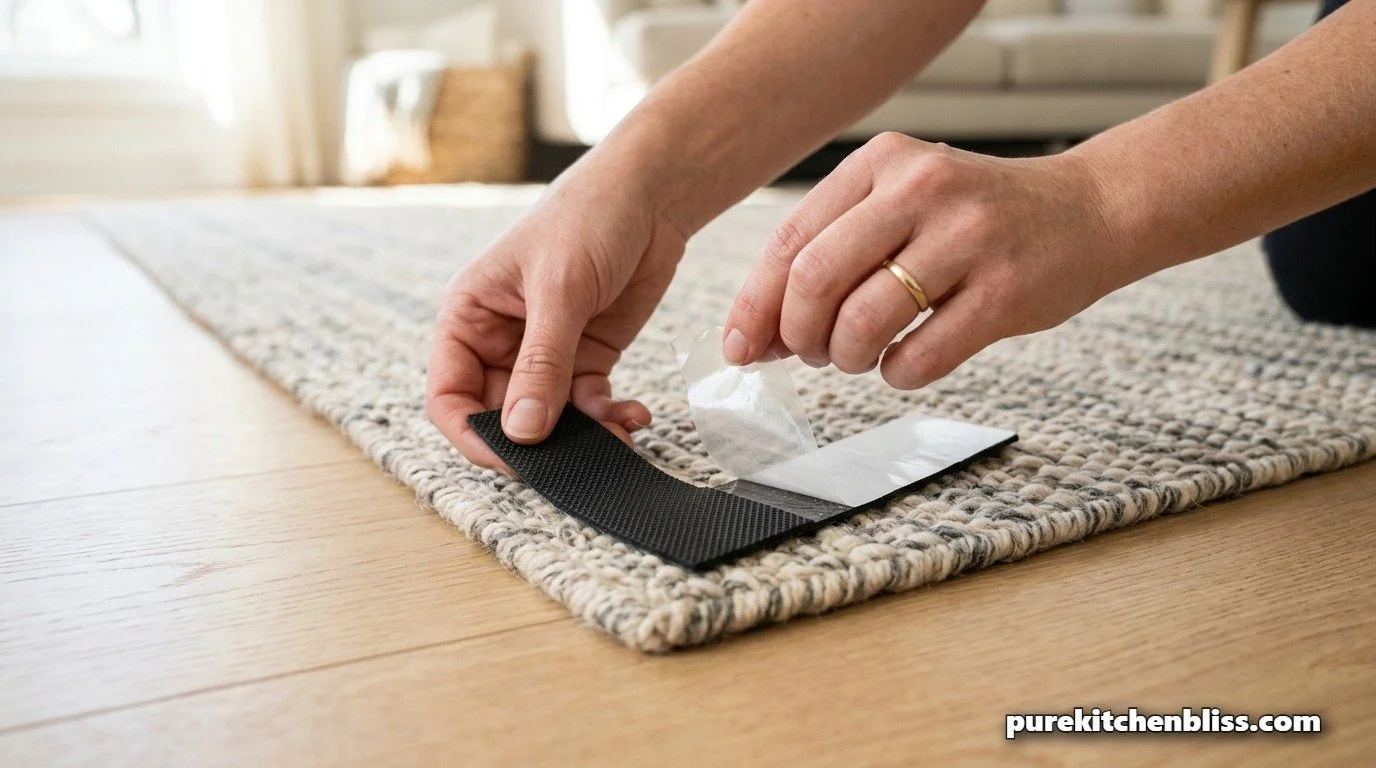
The Best Rug Grippers on Amazon: Engineering a Slip-Proof Sanctuary ⚓✨
If you’ve already read my anti-slip masterclass, you know that I don't play around with floor safety. In a house with four kids, a sliding rug isn't just an eyesore, it’s a mechanical failure waiting to happen. 😱
As a builder, I look for "adhesive shear strength" and "reusability." You need a gripper that anchors the rug to the hardwood without destroying the fabric or leaving a sticky mess on your floor. I’ve vetted the top-rated options on Amazon to find the ones that actually stand up to high-traffic kitchen "load." Here are the four that make the cut for a professional kitchen sanctuary.
Testing That Viral Amazon Chicken Shredder: A Practical Dad's Review 🌮👀
Taco Tuesday is a pretty big deal at our house. With four growing kids, if we aren't making a massive batch of chicken tacos, we’re prepping buffalo chicken wraps or pulled pork sliders for the upcoming school week.
But for years, my least favorite part of the entire routine was the shredding process. I would stand over the cutting board with two forks, tearing away at hot chicken breasts while the kids asked when dinner was going to be ready. It took a good chunk of my evening, it made my hands cramp up, and it always left a big mess on the counter.
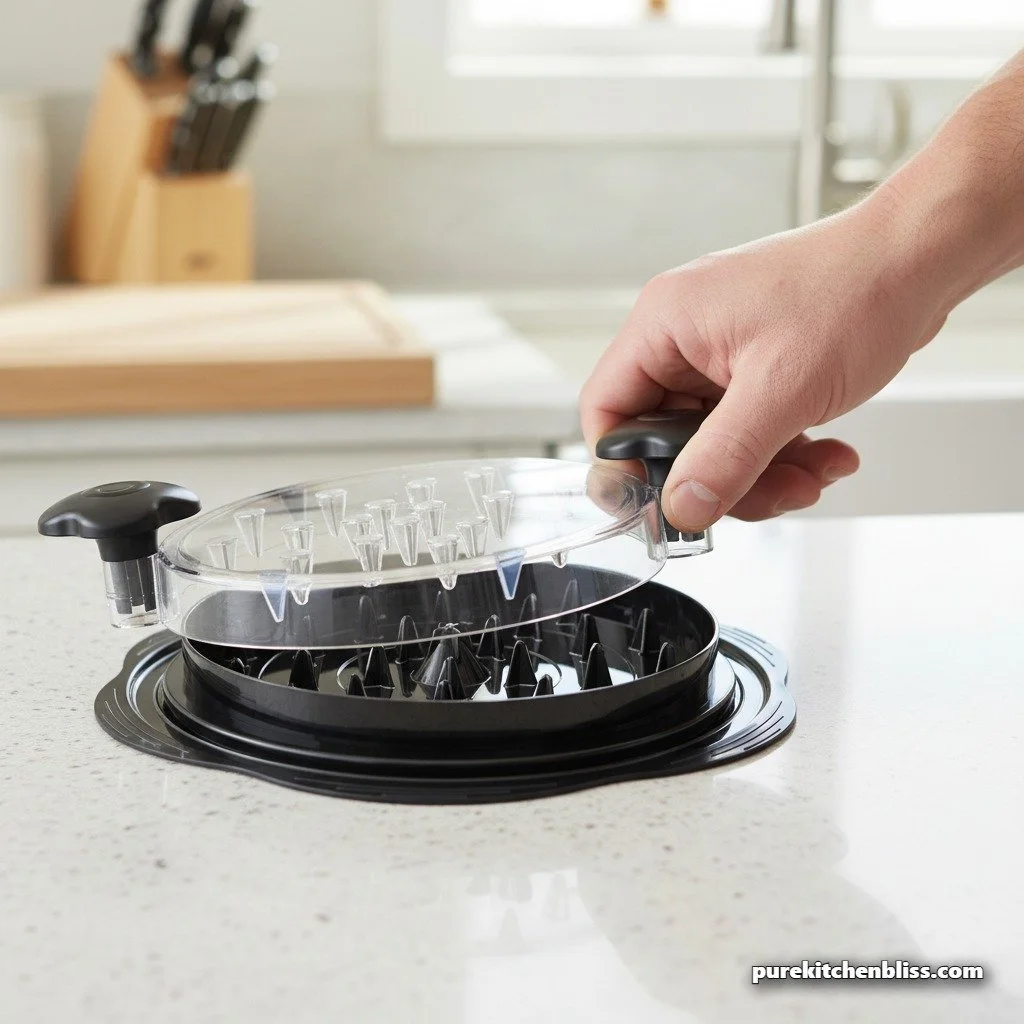
A few weeks ago, my wife showed me a video on social media of someone using a round, manual disc shredder. You just put a cooked chicken breast inside, pop a clear lid on top, and twist the handles a few times. In about fifteen seconds, the whole thing is perfectly and evenly shredded.
To be completely honest, I was skeptical. As a carpenter, I work with mechanical tools all day long, and a lot of these viral kitchen gadgets look like cheap, flimsy plastic that will snap the first time you put it under any actual pressure.
But after standing there shredding two pounds of chicken by hand for the third week in a row, I finally broke down and ordered the SURETIVIAN Chicken Shredder Tool on Amazon. We’ve put it through several heavy family dinner rushes now, and here is my honest, first-person review on how the mechanics actually hold up in real life.
A Simple Guide to Choosing Under-Cabinet Lights
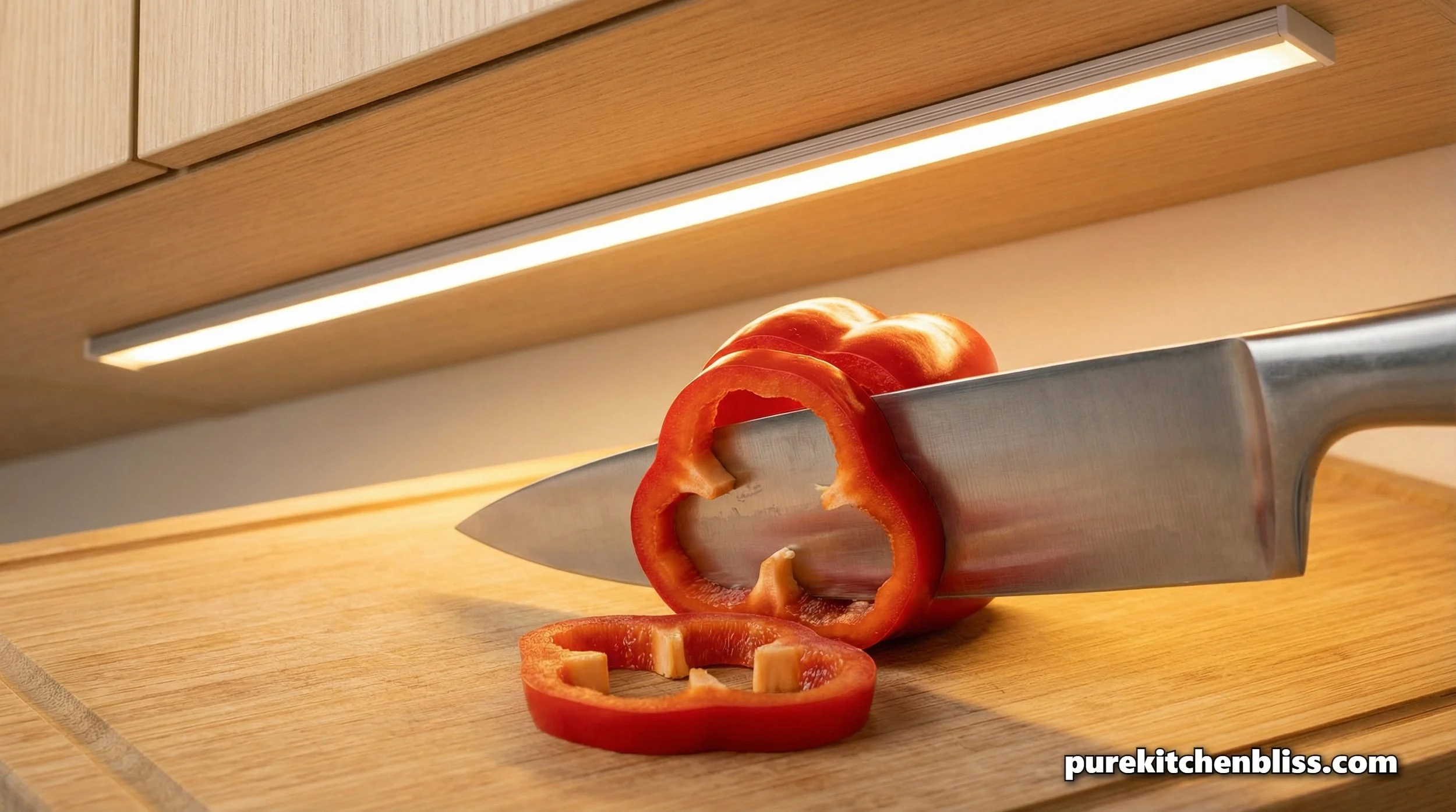
In a high-performance kitchen, lighting is the primary interface between the user and the workspace. If you cannot see the precise state of your ingredients, the doneness of a protein, the freshness of produce, or the accuracy of a knife cut, you are operating with a structural deficit. Most residential kitchen lighting relies on ambient overhead fixtures that create "backlighting," casting your workspace into a shadow while you are trying to work.
Under-cabinet lighting is the correction for this failure. It transforms the counter from a dark, shadowed surface into a high-visibility, precision workspace. However, not all lighting is created equal. Most "consumer-grade" LED kits prioritize aesthetic brightness over Color Rendering Index (CRI) and Thermal Stability. This audit evaluates the technical requirements necessary to build a permanent, professional-grade lighting infrastructure that enhances safety and visual clarity.
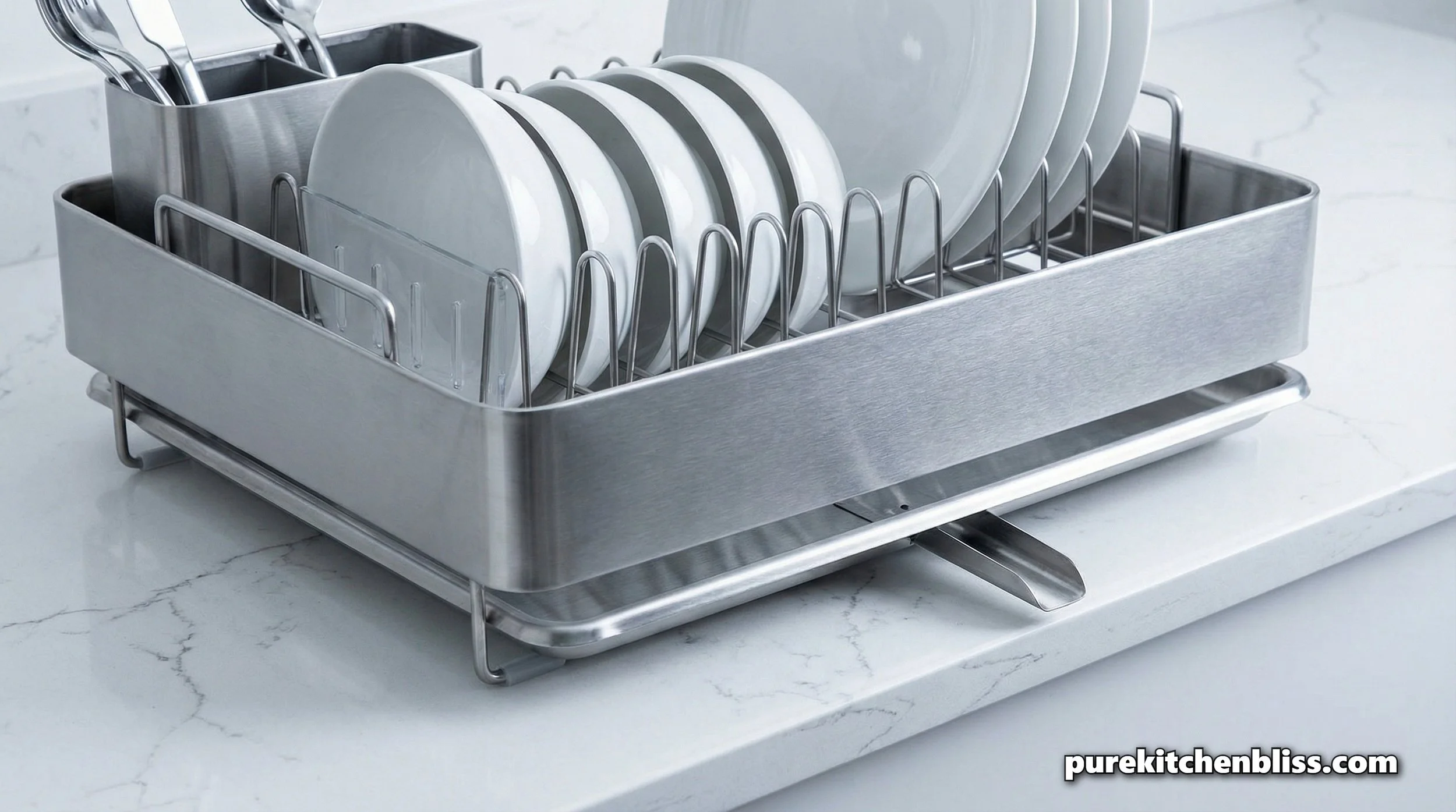
The Best Slim Dish Racks for Small Kitchens
In a high-output kitchen, counter space is the most valuable real estate. A drying rack should not just hold wet items; it is a piece of infrastructure that must manage moisture, prevent microbial growth, and facilitate rapid evaporation. If your rack fails to do this, it’s not a tool, it’s a permanent wet spot that invites oxidation and bacterial colonization.
The following list prioritizes "Structural Integrity" and "Hydro-Dynamics." We evaluated these models based on three specific metrics: Material Fatigue (how they handle wet environments), Flow-Dynamics (how effectively they move water away from the dishes), and Spatial Density (how much volume they handle per square inch of countertop).