What Is the Safest, Most Eco-Friendly Cutting Board Material?
Transparency Note: We independently select these products based on research and user reviews. If you buy something through our links, we may earn a commission.
When we think about food safety in a busy kitchen, we usually focus on washing our vegetables thoroughly, avoiding cross-contamination, or keeping our food prep surfaces properly sanitized. But as a builder and woodworker, I tend to look closely at the physical tools holding our food during prep.
The cutting board is the literal foundation of every single meal we make, yet it's often the most overlooked source of chemical contamination in the modern home.
In a house with four kids, our cutting boards face a non-stop gauntlet of heavy chopping, slicing, and dicing. For a long time, standard plastic cutting boards were marketed as the ultimate sanitary choice because you could toss them straight into a dishwasher loop.
But recent scientific studies have completely exposed the dangers of plastic prep surfaces. Data shows that chopping food on a plastic cutting board can release tens of millions of microscopic plastic particles into your family's food every single year. Every knife stroke acts like a mini saw, shaving off microplastic dust that hitches a ride straight into your meals.
If you want a truly safe, non-toxic, and sustainable workspace, you need to ditch the plastic boards entirely. Today, I'm breaking down the physical mechanics of why hardwood and bamboo are the safest choices for your health, how they protect your expensive knives, and the simple maintenance routine that will make a quality wood board last a lifetime.
The Threat: Microplastics on the Prep Surface 🛑
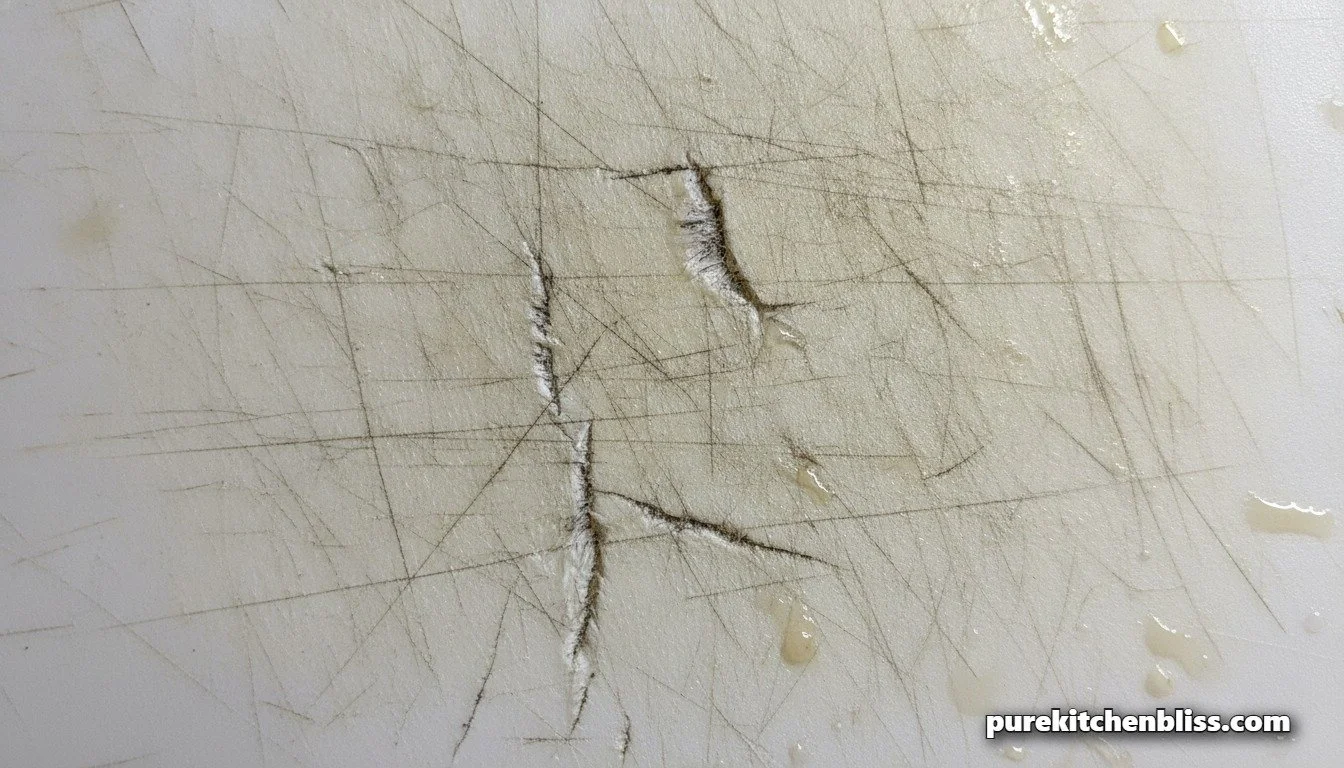
When a steel knife edge slams down onto a synthetic plastic board (usually made of polyethylene or polypropylene), the plastic doesn’t just dent—it fractures.
The Contamination: Over months of meal prep, those microscopic plastic shards fray completely loose from the surface. When you chop wet vegetables or hot meats on top of those scores, the food acts like a sponge, absorbing millions of microplastic particles that you end up ingesting.
The Bacterial Trap: Furthermore, those deep knife grooves are a breeding ground for bacteria. Unlike wood, which has natural defensive properties, plastic cannot heal itself. Once bacteria get wedged deep inside a plastic knife scratch, it is incredibly difficult to sanitize completely, even after a heavy clean alongside your daily dishware runs.
The Solution: Hardwood and Bamboo Mechanics 🪵
The safest and most sustainable cutting board materials are FSC-certified hardwoods, specifically sugar maple, walnut, or cherry, and high-density bamboo.
The Self-Healing Grid: Hardwood possesses a beautiful cellular structure that is naturally forgiving. When a sharp edge presses into an end-grain or edge-grain wood board, the wood fibers separate slightly to accept the blade and then spring back together after the stroke. This "self-healing" mechanic keeps your knife blades sharper for longer and prevents deep, permanent grooves from forming.
The Eco Footprint: Sourcing an FSC-certified (Forest Stewardship Council) hardwood board ensures the wood was harvested from responsibly managed forests. Bamboo is another fantastic, budget-friendly eco option because it's a fast-growing grass that requires zero pesticides and regenerates rapidly after harvest, keeping your kitchen's ecological footprint completely green.
My Review: Cheap Plastic vs. Sustainable Hardwood
| Performance Feature | Standard Plastic Cutting Boards | FSC-Certified Hardwood Boards | The Structural Win |
|---|---|---|---|
| Food Stream Purity | Sheds tens of millions of microplastics yearly | 100% Organic, zero chemical shedding | Wood eliminates synthetic toxins from prep |
| Hygiene & Bacteria | Traps dangerous pathogens in permanent scratches | Natural capillary action starves bacteria of moisture | Hardwood naturally inhibits bacterial growth |
| Lifespan Value | Short (Warps quickly and ends up in a landfill) | Lifetime (Can be resurfaced and oiled indefinitely) | Wood saves significant long-term replacement budget |
The Budget Fix: A Lifetime Investment 💰
A solid, thick hardwood cutting board costs slightly more upfront, typically around $25 to $40 for a quality edge-grain board, but from a financial and waste perspective, it is a lifetime investment. Plastic boards warp, stain, score deeply, and must be thrown into landfills every couple of years.
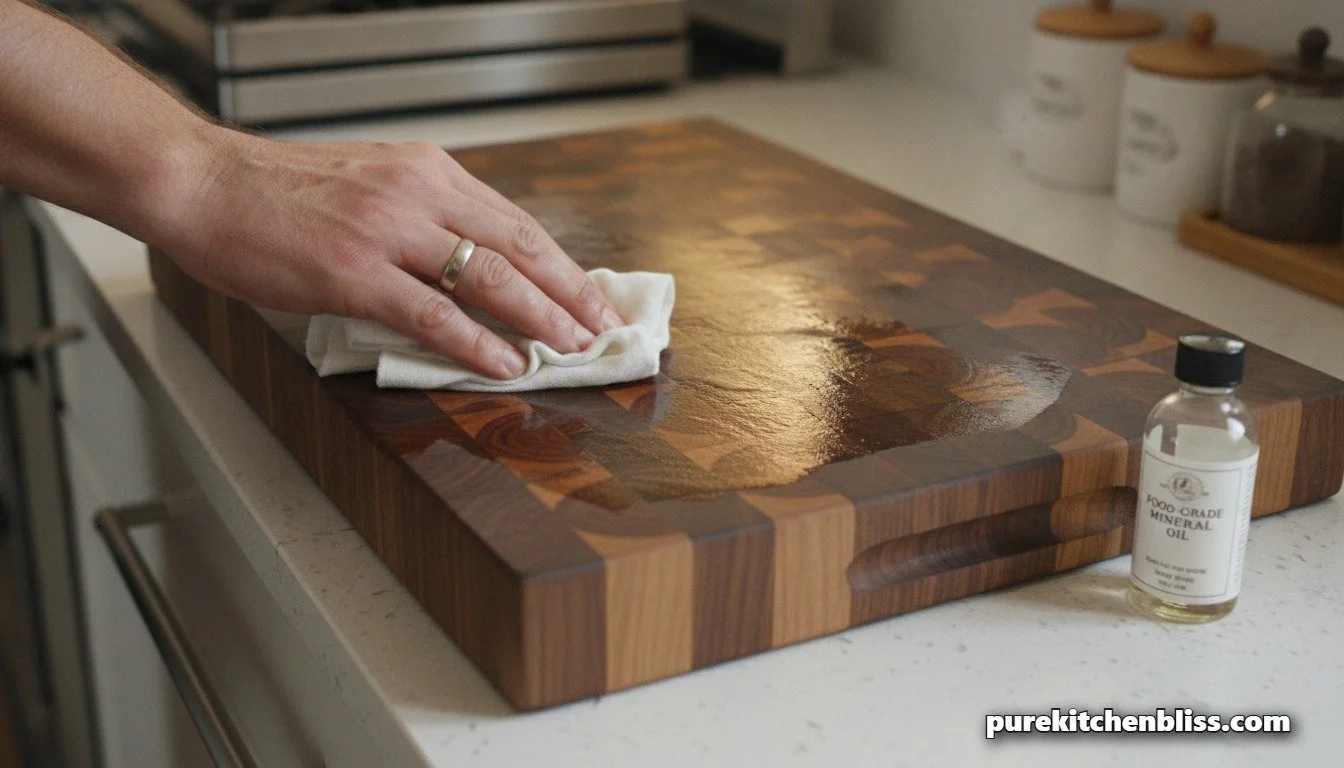
The Upkeep: To keep your wood board perfectly hydrated and completely hydrophobic, you just need to apply a quick coat of food-grade mineral oil or beeswax cream once a month.
The Mechanical Reset: If a wood board gets heavily scarred after years of family taco nights and meal prep, you don't throw it away. You just grab a sheet of 120-grit sandpaper from the shop bench, sand the face down flat, re-oil it, and the board is completely restored to brand-new condition.
My Top Recommendations on Amazon 🛒
If you are ready to eliminate plastic fragments from your family's food stream, here are the top-rated, sustainable wood and bamboo boards I recommend based on their grain density and construction:
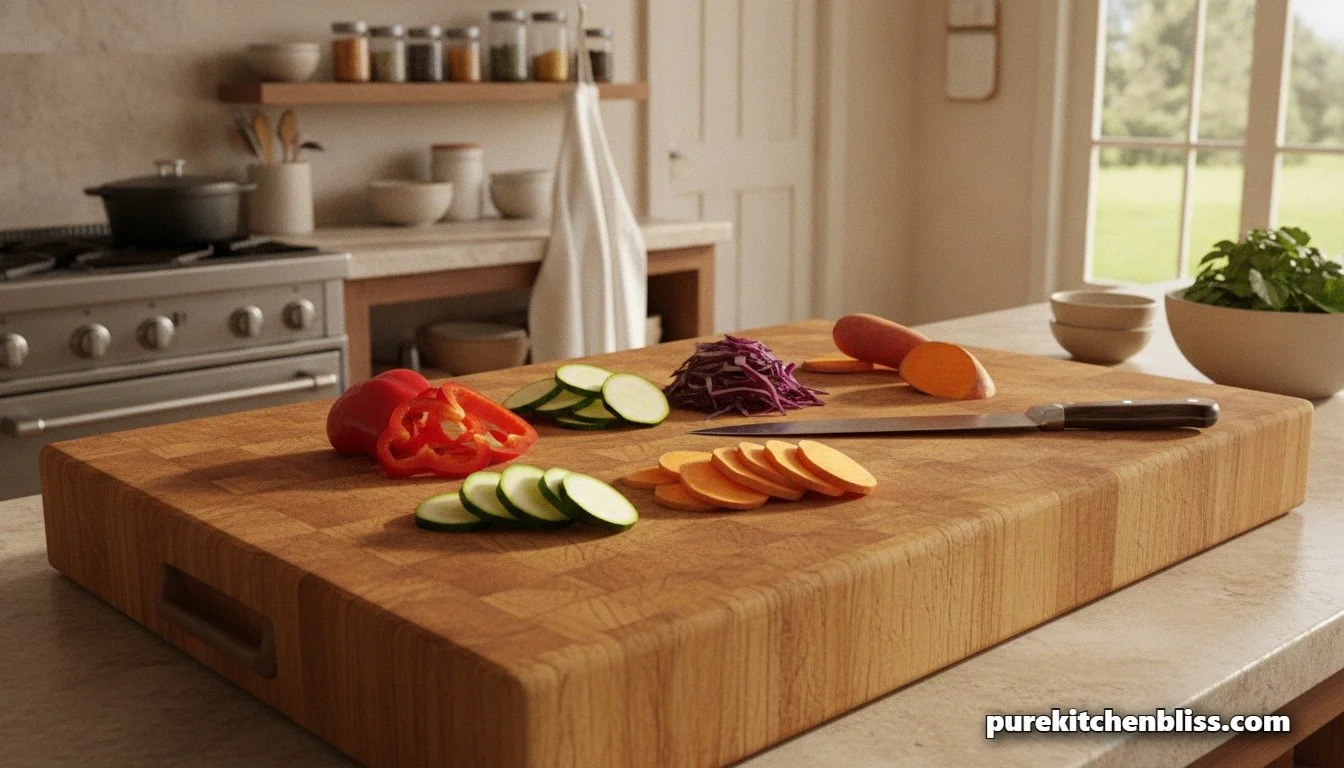
The Hardwood Standard: The John Boos Block RA02 Maple Wood Edge Grain Cutting Board is an absolute legend in professional and home kitchens. Made in the USA from sustainably harvested Northern Hard Maple, this reversible 1.5-inch thick board provides a massive, rock-solid surface that protects your knives and lasts for generations if properly oiled.
The Budget Eco Pick: If you want something lightweight, incredibly tough, and highly affordable, the Royal Craft Wood Organic Bamboo Cutting Board Set offers a great multi-pack layout. These boards feature deep built-in juice grooves to protect your island surfaces from messy runoff, and they are completely knife-friendly and sustainable.
Running a truly healthy home means paying attention to the material interactions happening right on your counters. By tossing out frayed plastic boards and replacing them with premium, self-healing hardwoods or dense organic bamboo, you can easily protect your family from hidden microplastics, elevate your meal prep routine, and build a beautiful, sustainable workspace that stands up smoothly to the daily family rush!
Next Up: Want to see the full layout of budget-friendly, zero-waste kitchen upgrades I use to run our family kitchen for under twenty bucks? Check out our How to Make Your Kitchen Eco-Friendly on a Budget!.