When people talk about building a sustainable, eco-friendly kitchen, the conversation usually shifts to big-ticket luxury items. They talk about installing thousands of dollars worth of solar panels, swapping out working appliances for smart-grid versions, or sourcing high-end wheatstraw agrifiber cabinetry boxes.
But in a house with four kids, I look at sustainability through a much more practical lens. You don't need a massive home renovation budget to make a real environmental impact.
The absolute fastest way to go green without spending money is to target your highest recurring waste streams.
By looking at the daily habits, paper consumption, and mechanical efficiency of your existing setup, you can dramatically lower your home's footprint while actually putting money back into your wallet. Today, I’m sharing the top three budget-friendly, zero-waste kitchen swaps I used to green our family kitchen for under twenty bucks.

Ditch Paper Towels for Bar Mops 🧽
In a large family, the sheer volume of paper towel rolls you can burn through cleaning up spilled milk, sticky counters, and dinner prep is staggering. It’s an expensive, single-use habit that sends endless paper waste straight to the landfill.
The Swap: I completely bypassed the paper aisle and bought a bulk Simpli-Magic Cotton Bar Mop Towel 24-Pack for around Thirty dollars.
The Routine: These are the exact same heavy-duty, ribbed cotton towels we use in my coffee shop to handle relentless daily spills. We keep a clean basket of them right on our Kitchen Island. When one gets dirty, it goes into a small wet-bag under the sink. At the end of the week, I toss the whole load into the washing machine. This tiny swap saves our family up to $100 annually and completely eliminates a massive daily waste loop.
Upcycle Your Glass Jars 🫙
Social media is full of beautiful pantry organization videos where people spend hundreds of dollars buying matching glass canister sets. But buying brand-new glass to be "eco-friendly" defeats the entire purpose of sustainability.
The Free Alternative: Stop throwing away your grocery packaging. Every time our family finishes a jar of pasta sauce, pickles, salsa, or jam, we save the container.
The Prep: I use a simple natural adhesive remover to peel the paper labels clean off the glass, wash them thoroughly, and reuse them as free, airtight pantry storage. They are perfect for holding bulk rice, oats, chocolate chips, and spices. It keeps your pantry looking organized, stops single-use glass from hitting the recycling bin prematurely, and doesn't cost you a single dime.
My First-Person Evaluation: Traditional Waste vs. Zero-Budget Eco Upgrades
| Kitchen Category | The High-Waste Legacy Habit | The Budget Eco-Friendly Swap | Annual Financial Saving |
|---|---|---|---|
| Surface Cleanup | Single-use paper towel rolls | Reusable cotton bar mop towels | ~$100+ saved per year |
| Pantry Storage | Store-bought plastic canister sets | Upcycled glass pasta & pickle jars | ~$50+ saved per setup |
| Appliance Efficiency | Running clogged, dusty coils | Annual vacuum coil maintenance | Up to 15% lower fridge power bill |
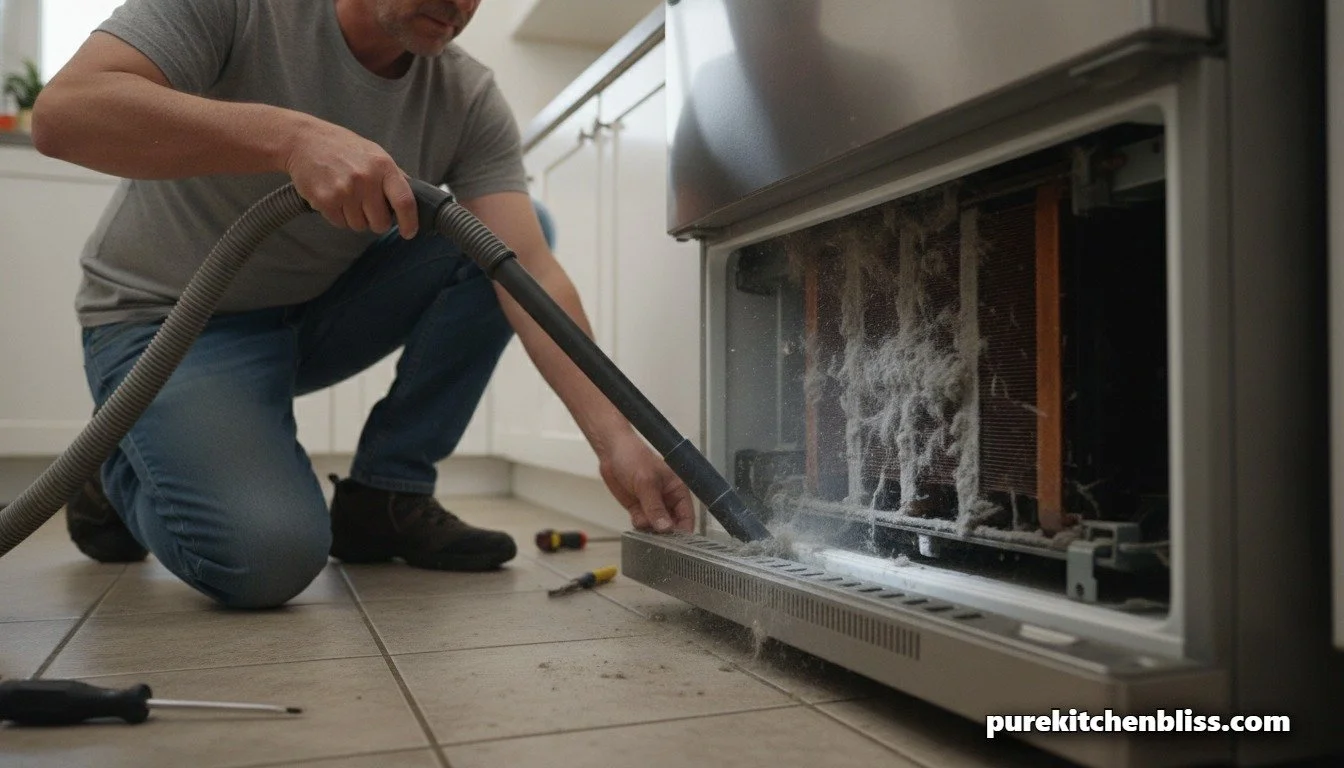
Regulate Your Fridge Coils ($0 Maintenance) ⚙️
An eco-friendly kitchen isn't just about what you throw in the trash—it’s about how much energy your large appliances consume. Your refrigerator is one of the highest continuous power draws in the entire house.
The Mechanical Friction: Over the course of a year, the condenser coils located at the bottom or back of your fridge act like a magnet for pet hair, dust bunnies, and debris. When those copper coils get blanketed in dust, the fridge can’t shed heat efficiently, forcing the compressor to run much longer and harder to keep your food cold.
The Zero-Dollar Fix: Once a year, snap off the bottom toe-grill of your refrigerator and use a long vacuum hose or a brush to clear out the dust. It costs absolutely nothing, but it instantly improves your appliance's energy efficiency by up to 15%. This simple step cuts down your monthly electric bill, matches the mechanical care I keep for my refrigerator door seals, and extends the overall lifespan of the machine so it stays out of the appliance graveyard.
The Kitchen Maintenance Routine 🛠️
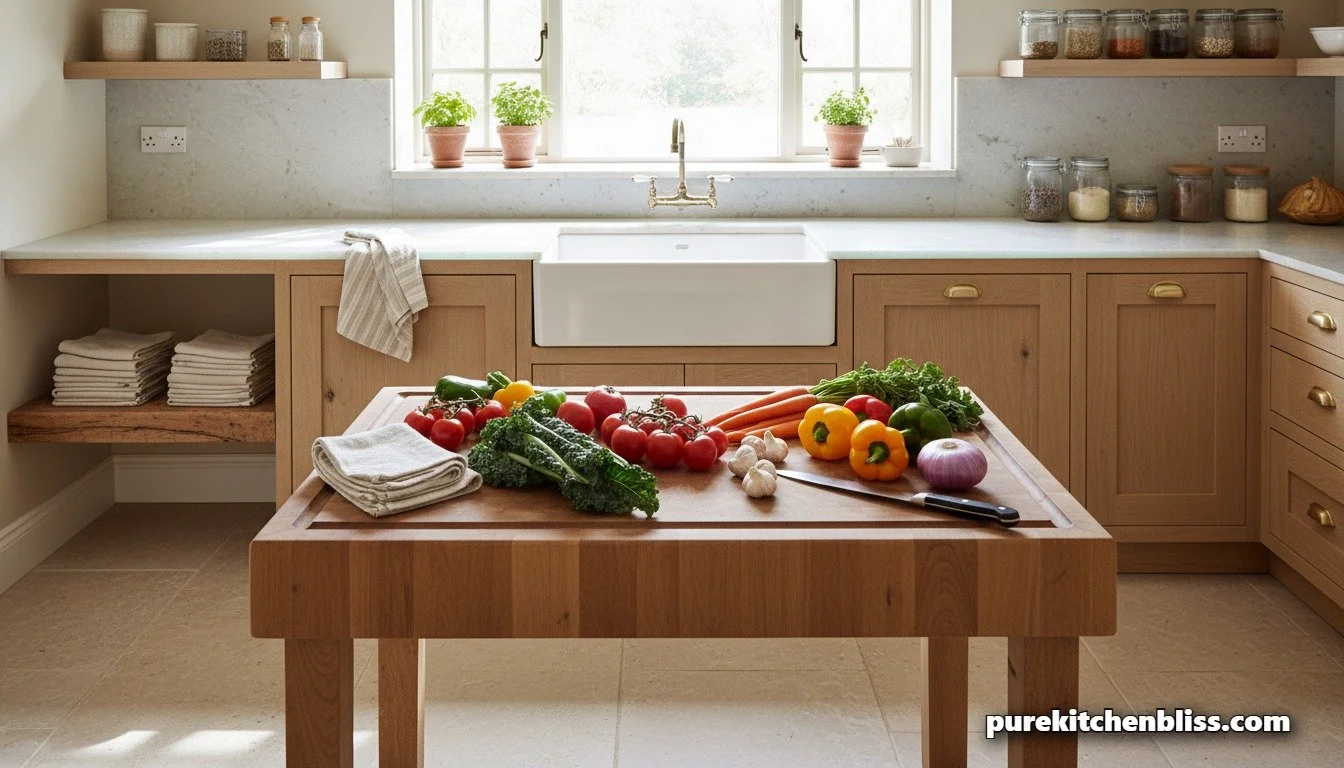
Once you clean up your recurring waste streams, keep the routine sustainable by maintaining your existing kitchen tools instead of replacing them.
The Move: Take care of your cutting surfaces, wash your reusable rags in eco-friendly cold cycles, and make sure your plumbing connections stay tight and dry underneath your inline water filtration loops.
When it comes to running a sustainable household, you don't need to stress over expensive green-labeled gadgets or showroom renovations. By adopting simple, mechanical habits like vacuuming your appliance coils, reusing glass packaging, and switching to cotton rags, you create a tough, low-waste kitchen footprint that protects the environment and saves your hard-earned budget for the long haul!
Next Up: Want to see the exact first-person guide I use to test, level, and seal my kitchen appliances for maximum thermal efficiency? Check out our How I Tuned My Refrigerator Doors to Save Money on My Monthly Power Bill!