Is Silicone a Safe Alternative to Plastic in the Kitchen? 🍳🧪
Transparency Note: We independently select these products based on research and user reviews. If you buy something through our links, we may earn a commission.
If you look through modern kitchen design pages or scroll through eco-friendly cooking feeds, you’ll notice that bright plastic tools are rapidly disappearing. In their place is a massive wave of silicone gear: reusable storage bags, baking mats, flexible spatulas, and stretch lids.
With four kids in the house, our kitchen is a high-volume testing ground for anything related to food storage and prep. For a long time, we relied heavily on standard plastic wrap, disposable zip-top bags, and plastic storage containers to pack school lunches and tuck away leftovers. But over the last few years, the data surrounding microplastics and chemical leaching has made me think twice about the materials we bring into our home.
When you heat up traditional plastic, or subject it to the intense thermal loops of a dishwasher, it degrades. That structural breakdown can cause it to leach synthetic chemicals like BPA and phthalates directly into your family's food.
Because of this, many home cooks are turning to silicone as a "green" savior. But as someone who evaluates structural materials and synthetic compounds for a living in my carpentry shop, I wanted to look past the marketing. Is silicone actually a safe alternative to plastic under heat and pressure, or is it just another design fad?
Today, I’m breaking down the true chemical stability of food-grade silicone, the environmental trade-offs you need to know, and a simple, zero-dollar structural test you can do in five seconds to make sure your kitchen gear is completely pure.
The Safety Mechanics: Chemically Inert Under Pressure 🔬
To understand why silicone handles a kitchen environment so well, you have to look at its base infrastructure. Unlike plastic, which is a synthetic polymer derived from crude oil petroleum, silicone is a hybrid polymer made from silicon (a natural element found in common sand and quartz), carbon, hydrogen, and oxygen.
The Stability: High-quality, food-grade silicone is vastly safer than traditional plastic because it is chemically inert. This means it doesn't react with acidic foods (like tomato sauce or lemon juice) and it is incredibly stable at extreme temperatures.
The Thermal Range: You can take a silicone baking mat from a -40°F freezer zone and place it directly into a 425°F baking oven without the material warping, melting, or off-gassing toxic chemical vapors. It won't degrade in the microwave or release microplastics when subjected to the high hydraulic pressure of a fully loaded modern dishwasher cycle.
The Nuance: Reusability vs. Curb Recycling ♻️
While silicone is a massive step up from plastic in terms of human health, it is important to understand the environmental footprint before you go buying a mountain of silicone replacements.
The Recycle Reality: Silicone is incredibly durable and can be reused thousands of times. However, it is not easily recycled. You cannot toss an old silicone spatula into your standard municipal roadside recycling bin alongside aluminum cans or upcycled glass jars. It requires specialized industrial recycling facilities to break down.
The Best Use Case: View silicone as a highly efficient, long-term replacement for single-use plastics like cling wrap, parchment rolls, and ziplock baggies. It is a brilliant tool for reducing daily garbage waste, but it should not completely replace completely infinite, natural materials like glass or stainless steel in your permanent storage setups.
My Material Blueprint: Traditional Plastic vs. Food-Grade Silicone
| Material Property | Standard Household Plastic | 100% Food-Grade Silicone | The Structural Winner |
|---|---|---|---|
| Chemical Leaching | High (Can release BPA/phthalates under heat) | Zero (Chemically inert and completely stable) | Silicone keeps your food stream completely pure |
| Thermal Resilience | Poor (Melts or degrades easily under broiler) | Excellent (Handles up to 450°F without breakdown) | Silicone handles high-heat baking loops easily |
| Structural Longevity | Short (Cracks, stains, and clouds over time) | Lifetime (Flexible, crack-proof, highly resilient) | Silicone cuts down recurring household swap costs |
The Budget Purity Test: Watch Out for Fillers 🔍
Because silicone has become so popular, a lot of budget discount brands are flooding the market with cheap alternatives. To lower their manufacturing costs, these companies often mix pure silicone with cheap plastic chemical fillers. When you cook with these hybrid products, those plastic fillers can off-gas and leach toxins, destroying the safety benefits entirely.
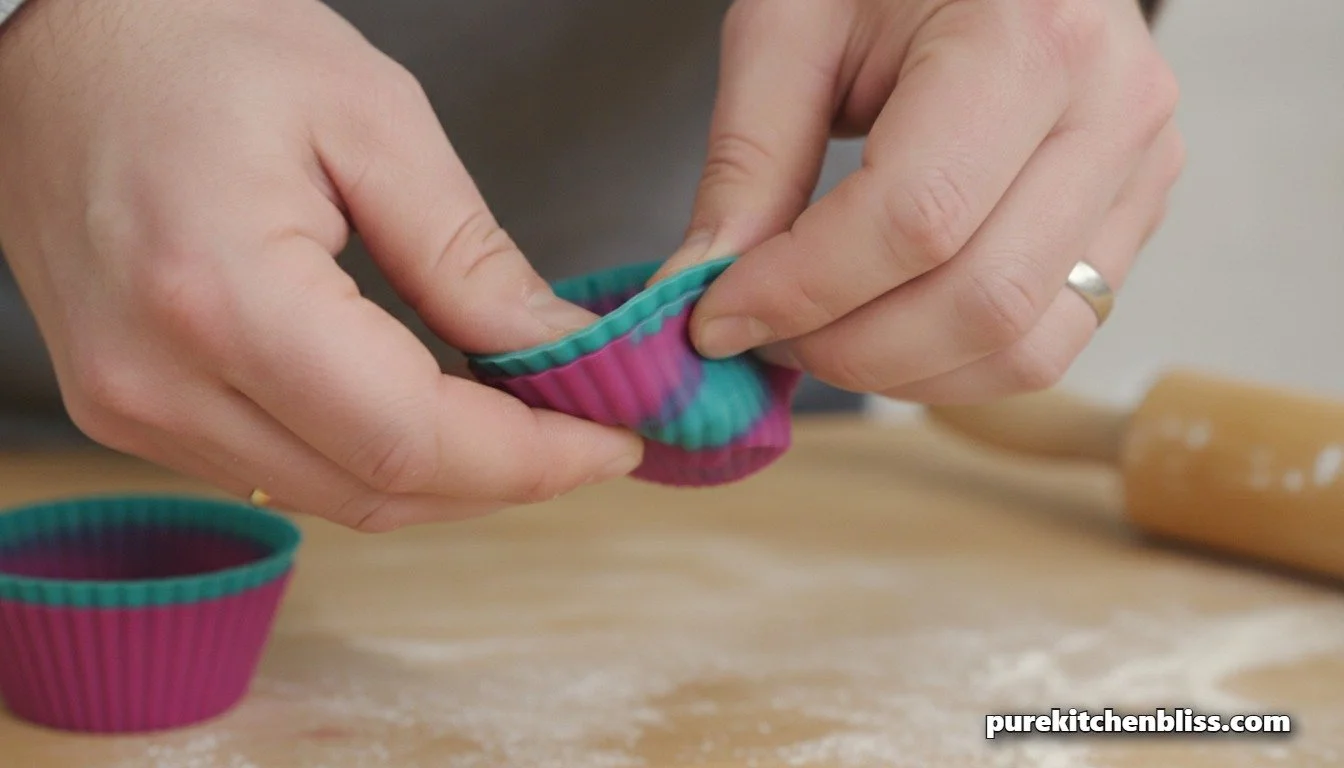
The Five-Second Test: Grab the silicone product—whether it’s a baking mat, a spatula, or a reusable bag—and pinch a section tightly between your fingers, giving it a firm twist.
The Diagnostic: If the material maintains its solid, uniform color throughout the entire bend, it is 100% pure silicone. If you notice a distinct white color showing through the deepest point of the fold, the product has been cut with cheap chemical plastic fillers. If it fails this test, keep it away from your high-heat ovens, your food prep areas, and your countertop compost bins.
The Amazon Shopping Blueprint 🛒
If you want to clear single-use plastics out of your kitchen and build a safer, highly reusable prep routine, you can grab these specific, filler-free silicone tools directly on Amazon:
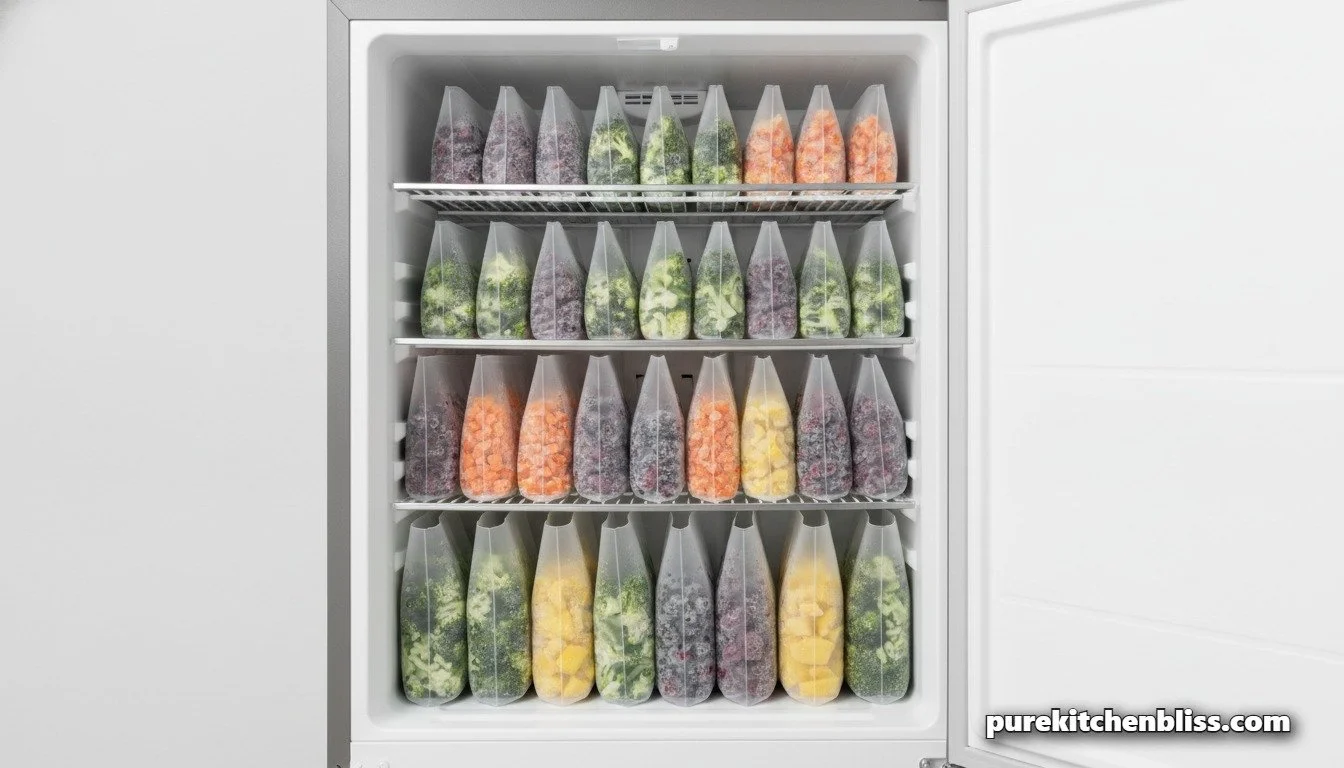
The Ultimate Storage Bag: The Stasher Platinum Silicone Reusable Food Storage Bag (3-Pack) is the gold standard for purity. Made from 100% pure platinum silicone, these bags feature an airtight pinch-lock seal that passes the twist test perfectly, allowing you to safely freeze, microwave, boil, or bake your food without a single chemical leak.
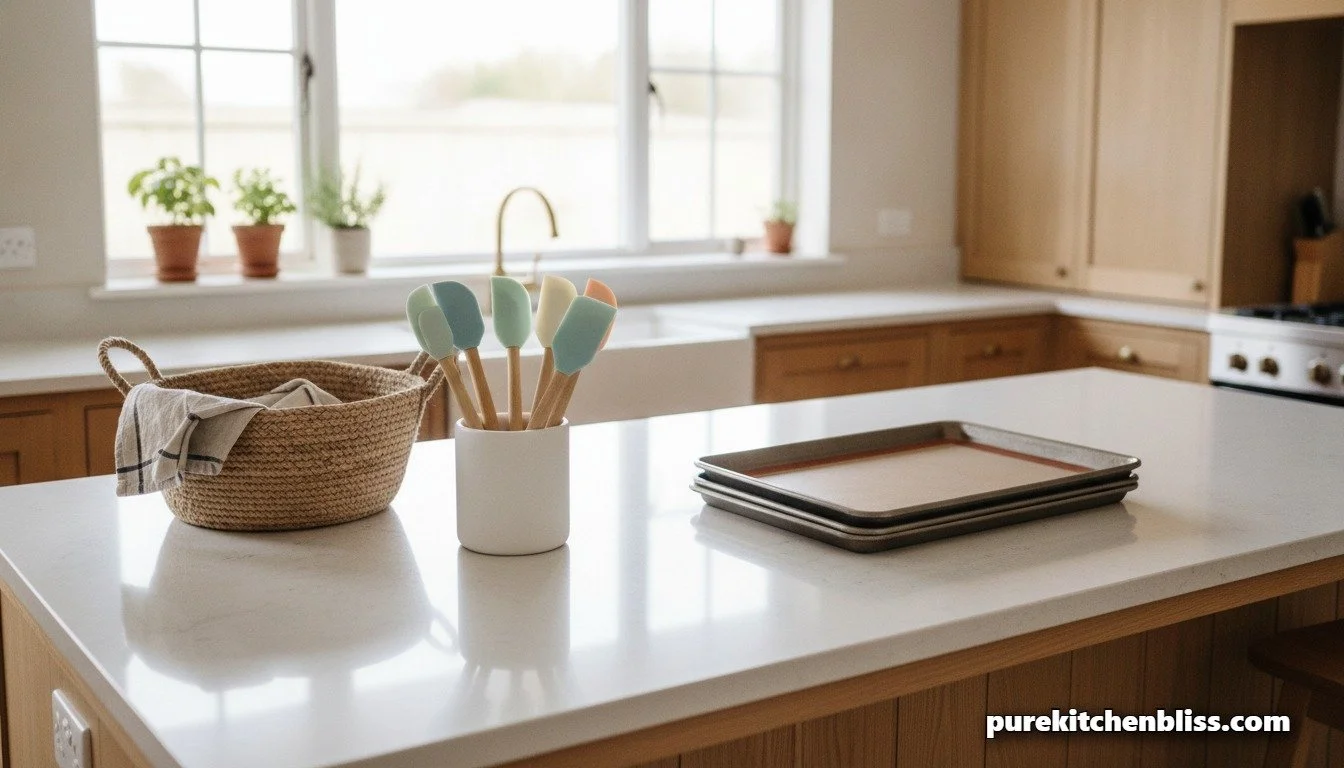
The Non-Stick Baking Sheet: To completely eliminate single-use parchment paper and aluminum foil rolls from your baking routines, the Amazon Basics Silicone Non-Stick Baking Mat (2-Pack) offers heavy-duty, oven-safe heat distribution up to 480°F, cleaning up instantly with just a quick wipe of a warm cloth.
Running a safe, sustainable home comes down to being deliberate about the structural materials you bring across your threshold. By swapping out single-use plastics for pure, filler-free platinum silicone tools, you can easily protect your family's chemical footprint, lower your weekly kitchen waste loops, and build a highly durable workspace that stands up smoothly to the daily family rush!
Next Up: Want to see the exact step-by-step plumbing fix I used to seal a leaking kitchen sprayer line before it warped our under-sink cabinetry panels? Check out our How to Fix a Leaky Kitchen Sink Sprayer Pull-Out Hose!