Transparency Note: We independently select these products based on research and user reviews. If you buy something through our links, we may earn a commission.
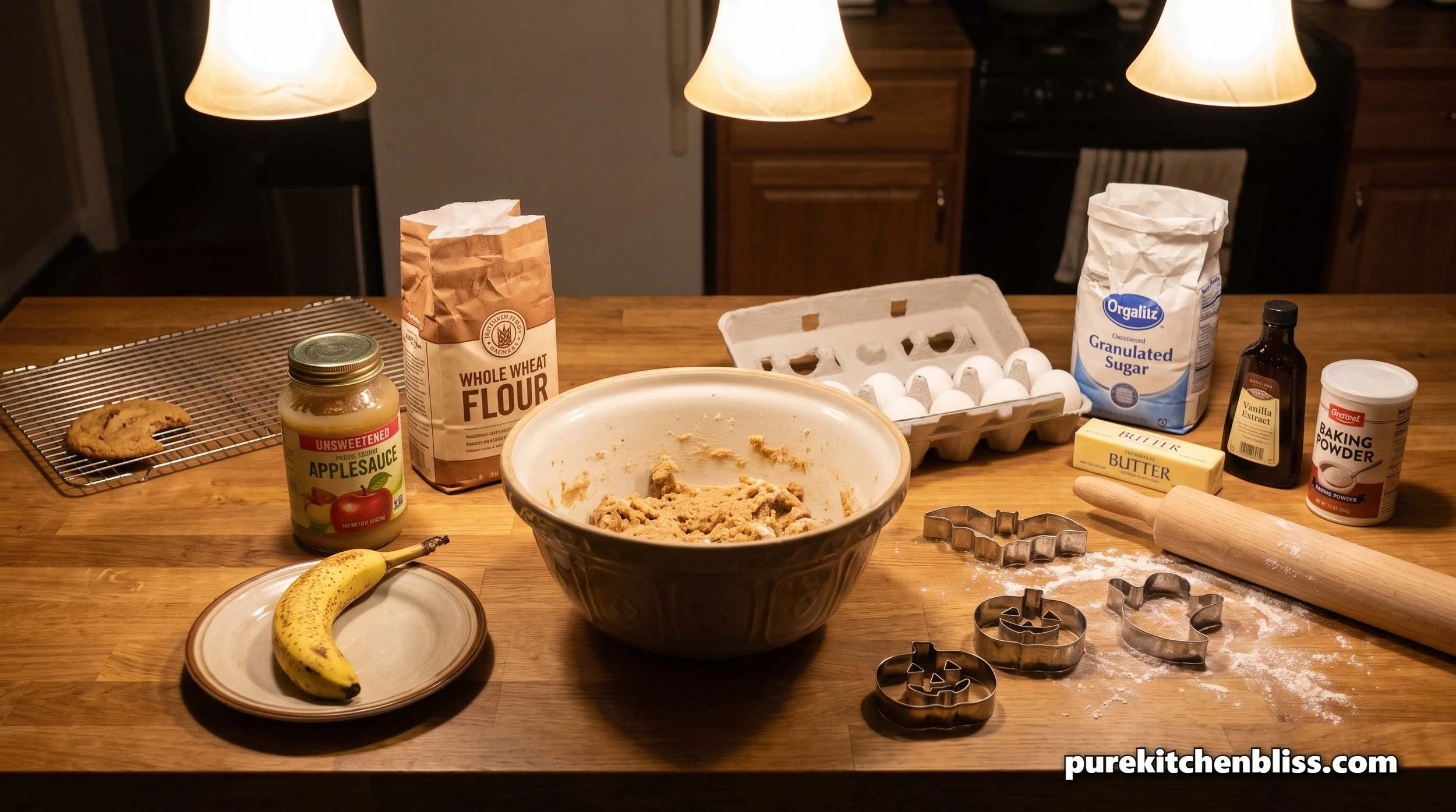
Halloween baking in our house means a genuinely enormous amount of sugar moving through the kitchen in a short window, class party treats, whatever we bake for our own kids, and then the actual candy haul on top of all of it. I'm not interested in overhauling the whole holiday over that, Halloween is supposed to be fun, not a nutrition lecture. But when I'm the one actually mixing the batter, a few reliable ingredient swaps let me feel a little better about what's going into the oven without anyone at the table noticing a difference in the final cookie or cupcake.
The swaps below aren't about cutting things out entirely. They're about specific ratios that actually hold up in a real recipe, since the difference between a swap that works and one that turns a batch of cookies into a dense, gummy disappointment usually comes down to getting the ratio right, not the ingredient choice itself. I've tested most of these across a few different Halloween-shaped bakes over the years, sugar cookies, pumpkin muffins, and a chocolate cake we do every year, so what's below is less theory and more what actually held up in this kitchen.
Why Halloween specifically is worth a second look
No other holiday concentrates quite this much sugar into one stretch of the calendar the way Halloween does, between the classroom parties earlier in the week, the actual trick-or-treat haul, and whatever gets baked at home on top of it. That's not a reason to police anyone's candy bowl, we've never done that in this house and I'm not about to start. But the baking piece is the one part of the holiday that's entirely within your control before it ever leaves the kitchen, which makes it a reasonable place to make a few swaps if you want to, without touching anything else about how the holiday gets celebrated. It's also, practically speaking, the easiest place to start, since a swap in a recipe you're already making doesn't require buying anything new or changing anyone's routine, it just changes what's in the bowl before it goes in the oven.
Cutting sugar without losing sweetness
Unsweetened applesauce and mashed ripe banana both swap for granulated sugar at roughly a 1:1 ratio in most cake, muffin, and quick bread recipes, though both add real moisture on top of sweetness, so cutting the recipe's other liquid by about a quarter cup keeps the batter from turning too wet. This works best in already-moist bakes, banana bread, spice cake, pumpkin muffins, since the added moisture blends in naturally rather than fighting the texture. In cookies specifically, a full swap tends to push the texture toward cake-like rather than crisp, so I usually replace half the sugar rather than all of it if I want something that still holds a proper cookie snap. Pumpkin puree works similarly and fits the season better than either option, cutting sugar while adding fiber and that distinct fall flavor, particularly strong in brownies and spice cakes where its color and moisture blend in rather than standing out. A pastry chef I talked to years ago told me you can generally cut a quarter cup of sugar out of just about any cake or cookie recipe with barely any noticeable difference, and that's held up in my own kitchen as a reliable baseline before even reaching for any of these substitute ingredients.
Swapping out butter without losing richness
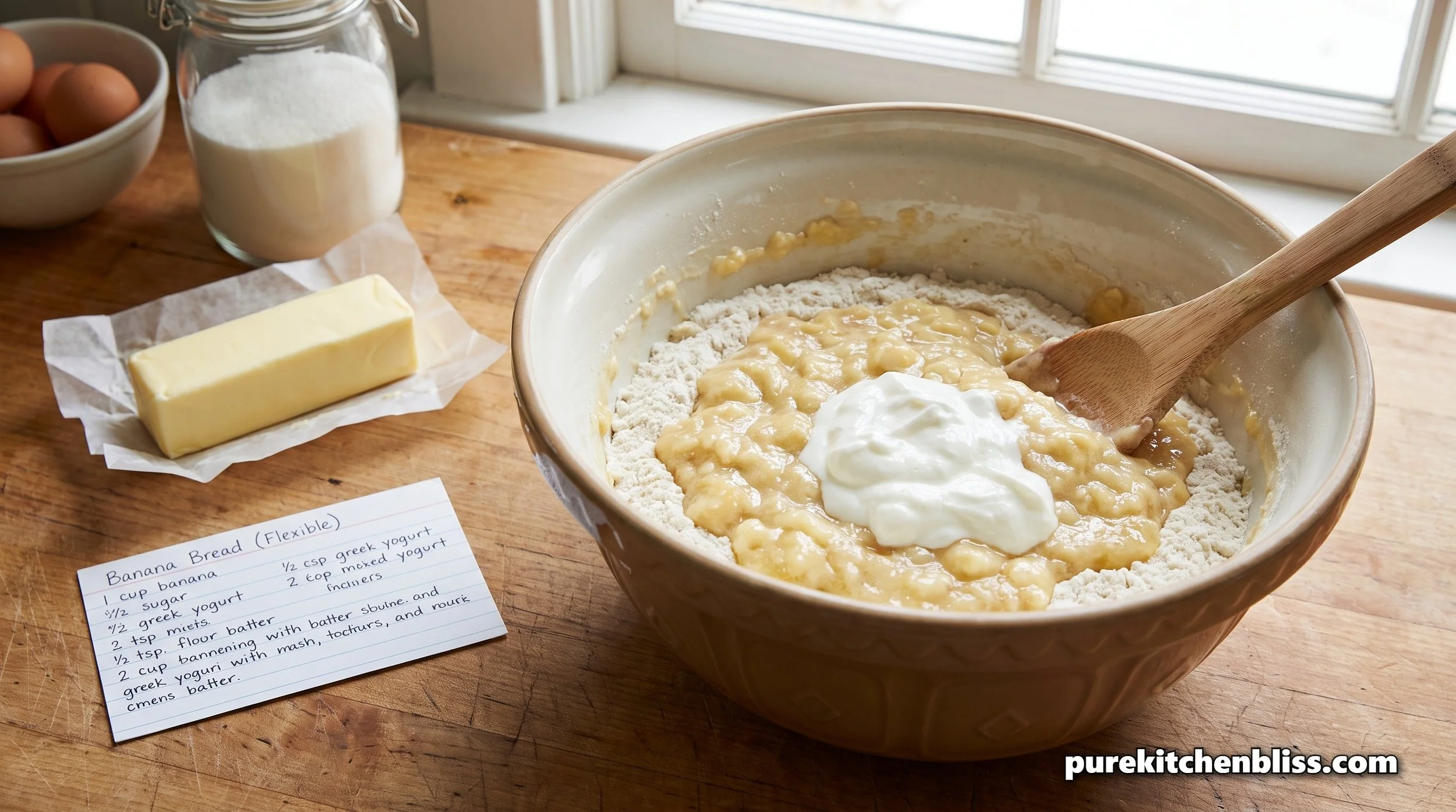
Unsweetened applesauce again does double duty here, swapping 1:1 for butter or oil, though using the full amount will make a cake or bread notably denser, so I usually replace half the butter and keep the rest for the texture applesauce alone can't fully replicate. Mashed avocado swaps in at roughly half the amount of butter called for, half a tablespoon of avocado per tablespoon of butter, and cuts fat and calories meaningfully while keeping things moist, though it does carry a faint flavor that's more noticeable in a plain vanilla bake than a chocolate one. Greek yogurt is the richer option of the three, closer to butter's actual mouthfeel, and works especially well in anything where butter isn't the star flavor already, carrot cake, spiced muffins, banana bread, where yogurt's slight tang blends into the background rather than standing out. Coconut oil is worth mentioning too, it swaps 1:1 for butter and holds up well in almost any recipe, though it's still a fat rather than a lighter option, the benefit there is more about swapping saturated dairy fat for a plant-based one than actually cutting calories.
Flour swaps that don't wreck the texture
Whole wheat flour can replace up to half the white flour in most recipes without dramatically changing the result, adding fiber and nutrients while the remaining white flour keeps enough structure and lightness that the final product doesn't turn dense or gritty. Going beyond half, a full whole wheat swap, tends to produce a noticeably heavier, more crumbly result that works fine in a rustic quick bread but reads as a mistake in a Halloween sugar cookie meant to hold a clean cutout shape. If gluten is a concern for anyone eating what you're baking, that's a separate conversation from a simple health swap, and worth checking a dedicated gluten-free flour blend rather than assuming whole wheat solves for both goals at once, since whole wheat still contains gluten and won't help anyone managing celiac disease or a wheat sensitivity.
Egg swaps, mostly for allergy reasons rather than health
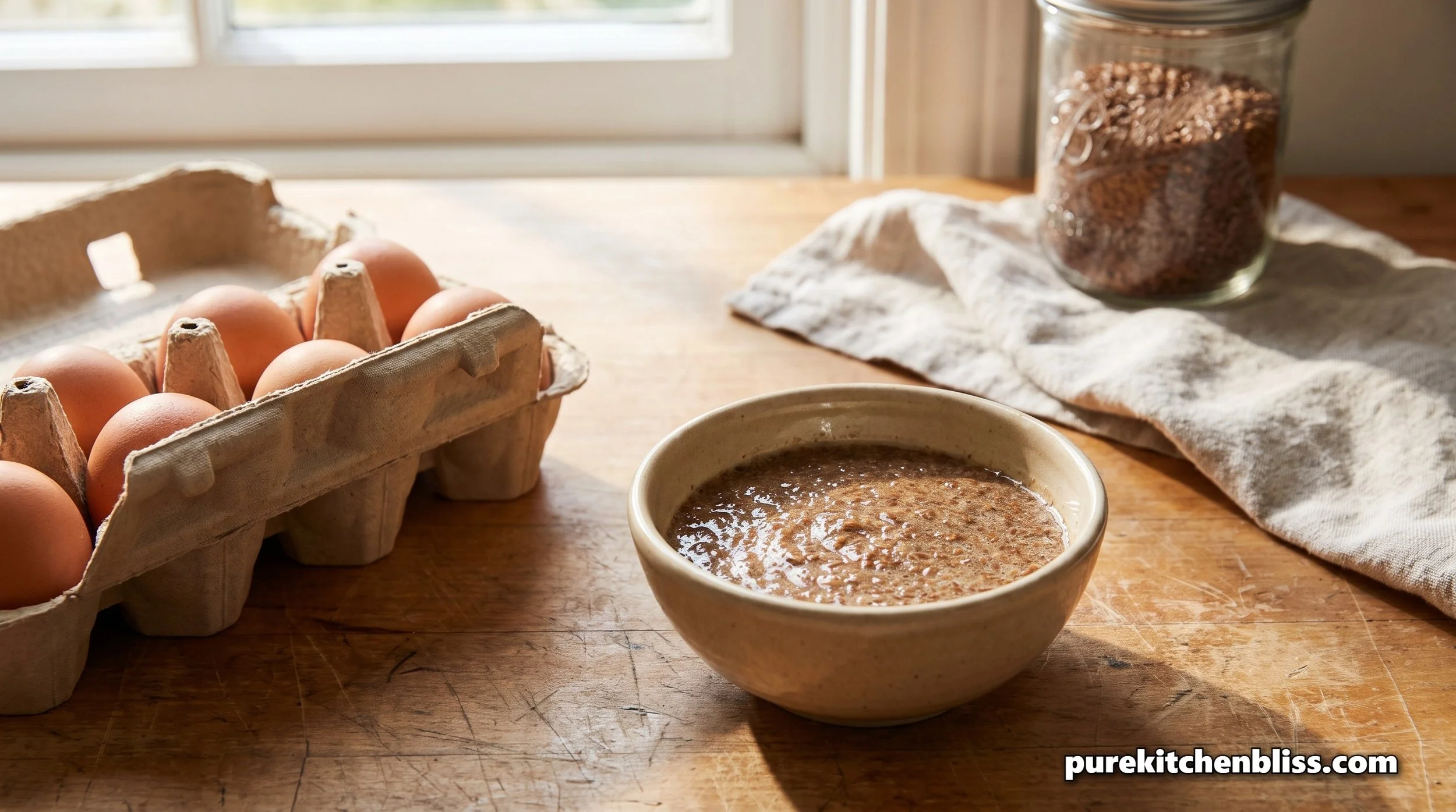
Unsweetened applesauce also works as an egg substitute, a quarter cup standing in for one egg, which matters less for general health and more if you're baking something for a class party or a mixed group where an egg allergy is a real consideration. Ground flaxseed mixed with water into a gel does the same binding job and adds a genuine nutritional boost on top, fiber and omega-3s that a straight applesauce swap doesn't provide, though it changes the flavor slightly and works best in recipes with other strong flavors, chocolate, spice, pumpkin, that can absorb it. If you went through our Teal Pumpkin Project guide already this season, egg and allergen substitutions are exactly the kind of detail that matters if you're baking something meant to be genuinely safe for a wider group rather than just your own kitchen table.
Nut-based swaps, and where they actually help
Peanut, almond, or cashew butter can stand in for part of the butter or oil in denser bakes, cookies especially, adding protein and healthy fat along with a distinct flavor that works well in chocolate-forward recipes. This one comes with an obvious caveat given how common nut allergies are, particularly if anything you're baking is heading to a shared table, a class party, or a neighborhood gathering, so I'd reserve nut butter swaps for treats that are staying entirely within your own household rather than anything meant for a wider group. If you do use a nut butter swap, homemade or a simple, minimally processed store-bought version avoids the added oils and stabilizers that a lot of mass-market nut butters carry.
Natural color instead of synthetic dye
If you're coloring frosting or batter for a Halloween theme, orange and purple especially, natural food coloring made from vegetable and fruit concentrates has gotten genuinely close to synthetic dye in vibrancy over the last few years, which we covered in more depth in our dye-free Halloween candy guide. Beet powder gives a strong pink-red, turmeric leans yellow-orange, and combining small amounts of both gets close to a Halloween orange without a synthetic dye on the label. The tradeoff is potency, natural colorants generally need more product to hit the same intensity as a drop of synthetic dye, so expect to use noticeably more than a traditional recipe calls for and build up gradually rather than guessing the full amount up front.
Where I'd stop swapping
Not every ingredient benefits from a substitution, and stacking too many swaps into one recipe at once is the fastest way to end up with something genuinely disappointing rather than just slightly different. I generally pick one or two swaps per recipe rather than trying to hit sugar, butter, flour, and eggs all at once in the same batch, since each substitution shifts moisture and structure a little, and three or four stacked together compounds those shifts in ways that are hard to predict without a lot of trial and error. If a recipe is already a favorite that everyone loves as-is, I'd rather leave it alone entirely than risk a Halloween classic turning out wrong on the one day people are actually looking forward to eating it.
A practical way to use this with actual pumpkin
If you roasted your own pumpkin seeds this season, the leftover pumpkin flesh itself is worth using rather than tossing, pureed and strained, it works as both a sugar-cutting and butter-cutting swap in one ingredient, which is why pumpkin bread and pumpkin muffins are such a natural fit for this time of year specifically. We cover the full seed roasting process in our pumpkin seed roasting guide, and the leftover flesh from that same pumpkin is exactly what you'd use here instead of buying a separate can of puree. One note on homemade puree specifically, it tends to run wetter than canned, so straining it through a fine mesh sieve or a cheesecloth-lined colander for an hour or two before baking with it prevents a soggier result than the recipe intended.
Storing what you actually bake
Baked goods with fruit-based swaps, applesauce, banana, pumpkin, tend to have a shorter counter shelf life than a traditional butter-and-sugar recipe, since the added moisture that makes them work also makes them spoil a bit faster at room temperature. An airtight container in the fridge extends things by several days compared to leaving a plate out on the counter, and most of these swapped bakes freeze well too if you want to make a batch ahead of the actual holiday rush, thaw at room temperature for a few hours rather than microwaving, which tends to make the fruit-swapped texture go slightly gummy if rushed.
| Swap for | Use instead | Ratio | Best in |
|---|---|---|---|
| Sugar | Applesauce or mashed banana | 1:1 (reduce liquid ~1/4 cup) | Cakes, muffins, quick breads |
| Butter / oil | Applesauce | 1:1 (half swap recommended) | Cakes, breads |
| Butter | Mashed avocado | 1:2 (half the amount) | Chocolate bakes |
| Butter / oil | Greek yogurt | 1:1 | Carrot cake, muffins |
| White flour | Whole wheat flour | Up to 50% swap | Most baked goods |
| 1 egg | Applesauce | 1/4 cup | Allergy-conscious baking |
What this actually comes down to
A couple of thoughtful swaps, applesauce or banana for some of the sugar, Greek yogurt or avocado for some of the butter, half whole wheat flour, natural coloring instead of synthetic dye, get you a real improvement without turning Halloween baking into a project nobody enjoys. Pick one or two per recipe, respect the ratios, and leave the recipes that already work exactly as they are.