When we talk about upgrading a kitchen, we usually focus on the tactile elements: the durability of the cabinets, the layout of the island, or how easily we can scratch-test the stone surface. But as a builder, the invisible elements of a room matter just as much as the structural ones.
Data shows that kitchen air can be up to 2 to 5 times more polluted than outdoor air.
Between atomized cooking oils, gas combustion byproducts, and conventional chemical cleaners, the workspace where we feed our families can quickly turn into a stagnant cloud of airborne irritants.
With four kids running around our kitchen island every day, keeping our indoor air clean is a massive priority for me. Fortunately, managing your air footprint doesn't require tearing down your drywall or buying commercial-grade exhaust systems. By establishing a few basic ventilation routines and understanding how your cooking appliances affect your home's air loop, you can breathe much easier. Here is my straightforward guide to tuning your kitchen's air quality.
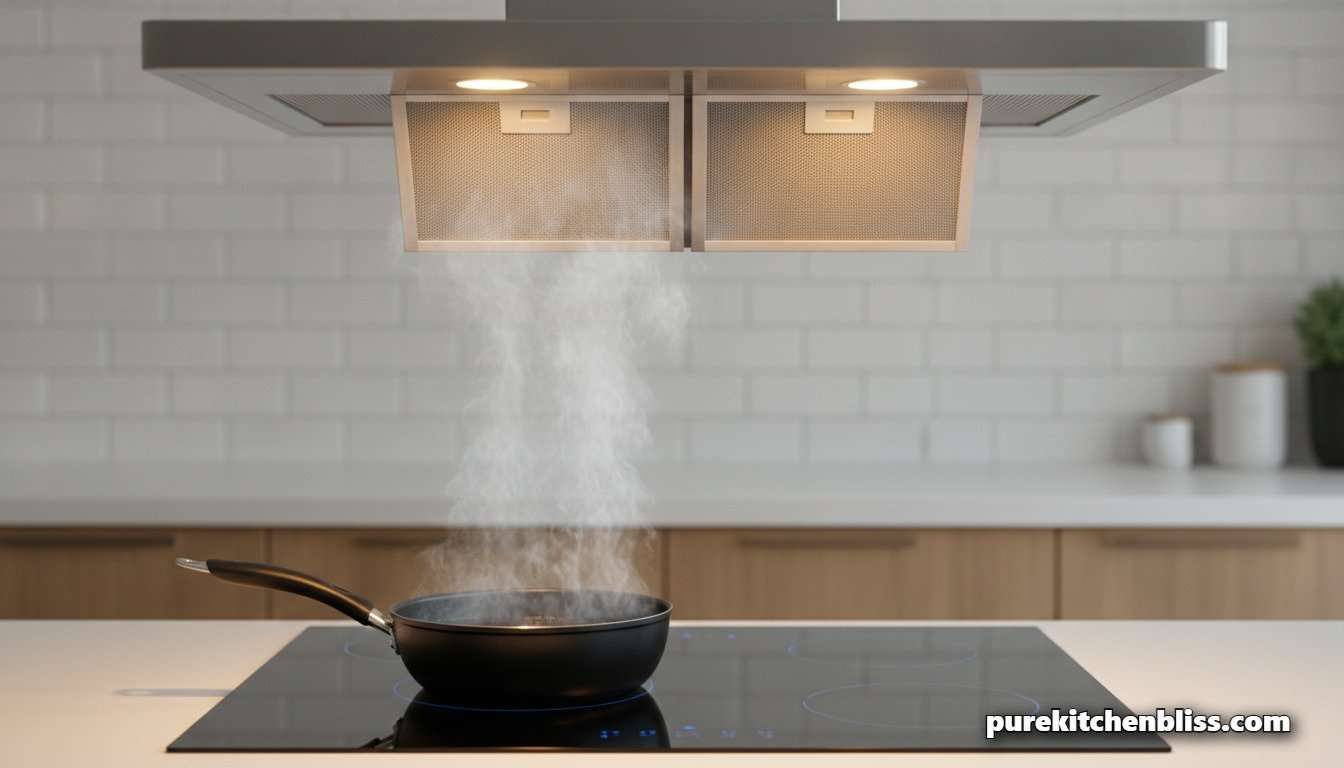
The Routine Fix: Strict Mechanical Ventilation 💨
The single biggest mistake I see homeowners make is only turning on their range hood when they accidentally burn a piece of toast or fill the room with smoke.
The Routine: You need to open a nearby window and run your range hood every single time you turn on your stove, even if you are just boiling a pot of water or simmering a simple soup.
The Mechanics: Cooking releases microscopic particulate matter (PM2.5) and volatilized grease into the air, which quickly settles onto your upper cabinetry and lungs. Running the fan immediately creates a steady path of negative pressure, drawing those particles out of the room before they can disperse throughout your living spaces.
The Recirculation Problem: If your kitchen uses a ductless range hood that recirculates air through a basic mesh pad instead of venting completely to the outside, it isn't actually removing gas vapors. In this setup, I highly recommend placing a small standalone HEPA air purifier fitted with a dedicated activated carbon filter right next to your cooking zone to pull those fine particles and odors out of suspension, much like using carbon traps to prevent odors in your countertop compost bin.
The Appliance Upgrade: Switching to Induction ⚡
If you cook on a traditional gas range, you are introducing combustion byproducts like nitrogen dioxide ($NO_2$) and carbon monoxide directly into your home's sealed air loop every time you strike the igniter.
The Infrastructure Fix: When your current stove eventually gives out, I strongly suggest looking into an energy-efficient induction cooktop.
The Physics: Unlike gas, which relies on an open chemical flame, induction uses magnetic fields to transfer thermal energy directly to the iron molecules in your cookware. Because there is no flame and no gas combustion, induction produces zero indoor NO2 emissions. It keeps your cooking surface flat and incredibly easy to wipe down with mild, non-toxic soap alternatives, and it runs with significantly higher thermal efficiency, keeping your energy bills and your air footprint remarkably clean.
My First-Person Blueprint: Kitchen Air Pollution vs. Clean Ventilation Tactics
| Kitchen Pollutant Source | The Stagnant Air Impact | The Simple Mechanical Fix | Long-Term Health Value |
|---|---|---|---|
| Gas Range Combustion | Releases nitrogen dioxide ($NO_2$) directly into the room | Transition to a zero-emission induction cooktop | Eliminates fuel combustion byproducts inside the home |
| High-Heat Pan Frying | Sends fine grease particulate matter ($PM_{2.5}$) into the air | Run exterior-ducted range hood at every meal | Prevents grease film from building up on wood cabinets |
| Ductless Recirculation | Blows fine particles right back into your face | Add a standalone HEPA + Carbon filter nearby | Captures fine airborne toxins and odors effortlessly |
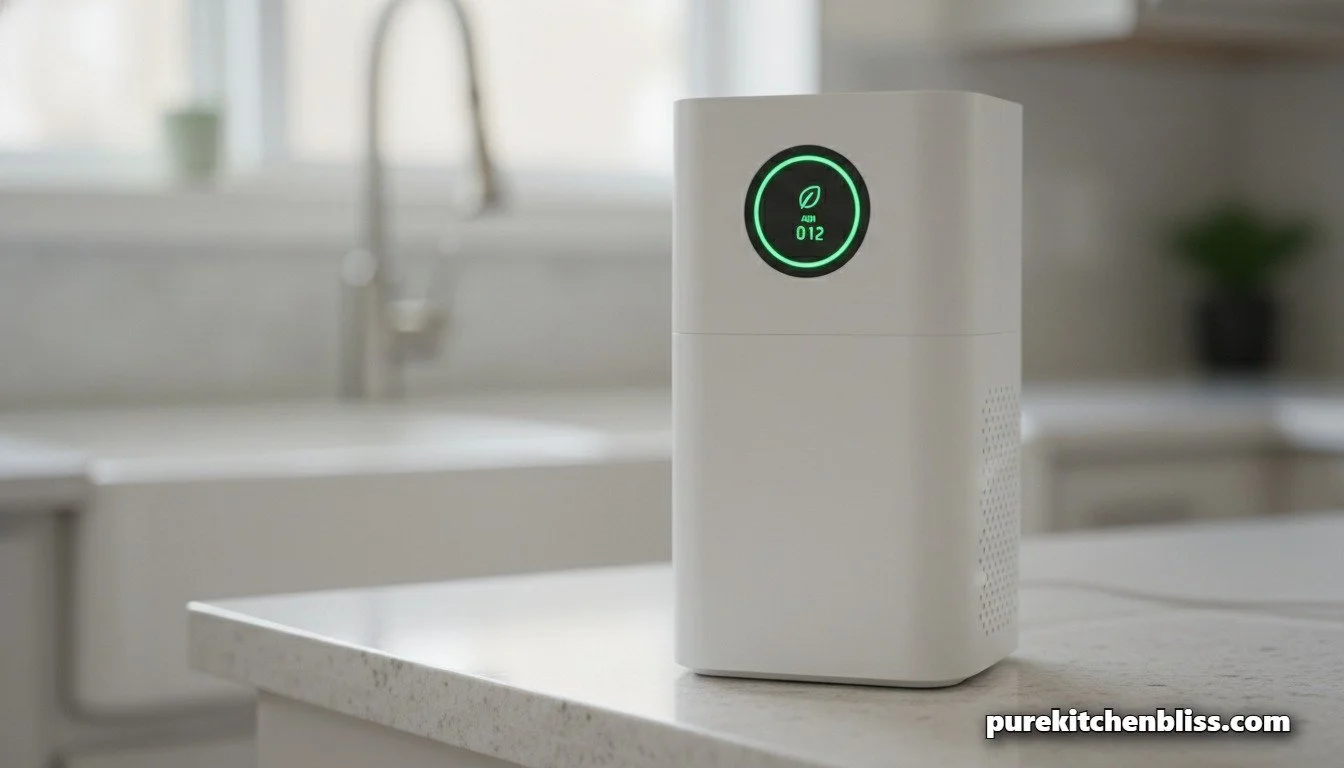
The Amazon Shopping Blueprint 🛒
If you want to quickly boost the filtration logic in your kitchen alongside your eco-friendly waste goals, you can grab these highly effective tools directly on Amazon:
The Countertop Air Purifier: The LEVOIT Core 300-P HEPA Air Purifier is an exceptional choice for kitchens with recirculating hoods. Its 3-stage filtration system features an activated carbon filter layer specifically engineered to target cooking smells, volatile organic compounds, and heavy grease particulates.
The Heavy-Duty Option: If you have an open-concept kitchen that connects directly to a large living space, the Coway Airmega 150 True HEPA Purifier offers real-time air quality monitoring and a cleanable pre-filter that catches large airborne dust and pet dander before it hits your food prep zones.
Running a safe, efficient household comes down to managing the subtle details. By turning on your ventilation before you start frying, cleaning your grease filters regularly, and keeping your fuel sources clean, you can easily protect your family's respiratory health and keep your kitchen's environment feeling pristine and comfortable for every single gathering!
Next Up: Want to see how to start recycling your daily organic food leftovers safely without creating a single odor problem on your counters? Check out our How to Start Composting at Home Without Bad Smells!