How Long Does Halloween Candy Actually Last?
Transparency Note: We independently select these products based on research and user reviews. If you buy something through our links, we may earn a commission.
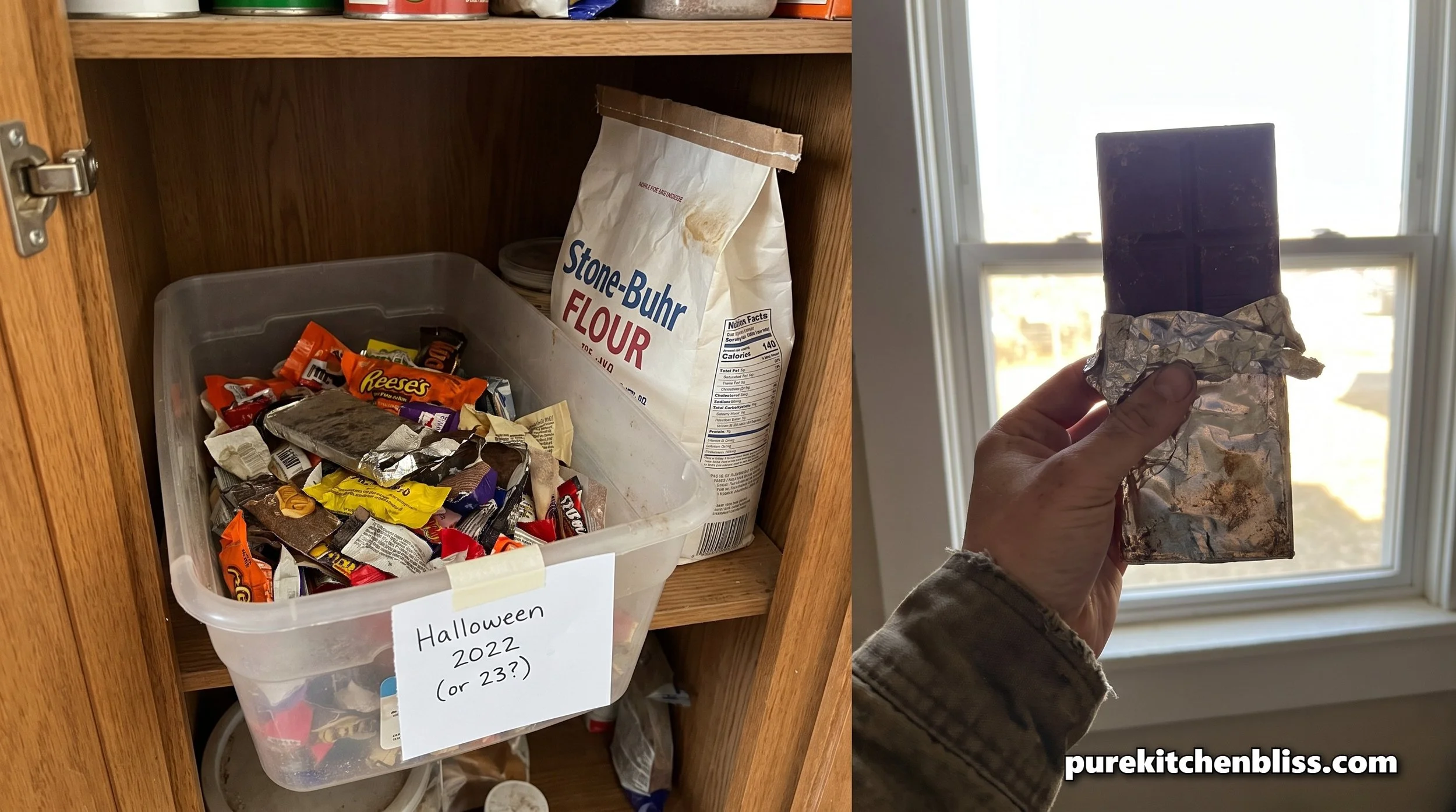
I found a sealed bin of leftover Halloween candy in the back of our pantry last spring, five months after the fact, completely forgotten behind a bag of flour. Most of it was still perfectly fine. A few pieces clearly weren't. That gap is what surprises people the most about candy, it doesn't spoil the way most food does, but it doesn't last forever either, and the timeline is different for every type sitting in that bowl on the counter right now, whether it's from a school party, a work candy dish, or Halloween itself.
Sugar is a natural preservative, which is the whole reason candy survives on a shelf as long as it does. Low moisture content means there isn't much for bacteria or mold to work with, so most candy is genuinely safe to eat well past the point where it stops tasting good. But safe and good are two different questions, and knowing where each type of candy actually lands on that timeline saves you from either tossing perfectly fine chocolate too early or eating something that's clearly turned.
What that "best by" date on the bag actually means
Candy is one of the few food categories the FDA doesn't require a federal expiration date on at all. What you're usually looking at is a manufacturer's "best by" date, which is a quality estimate, not a safety cutoff. It's the company telling you when the product is most likely to taste and look the way it's supposed to, not a hard line after which it becomes unsafe. Some brands do print specific windows anyway. Starburst, for example, typically holds its quality for twelve to eighteen months past the printed date if the wrapper stays sealed, which tells you the manufacturer's own estimate already builds in a wide safety margin before quality actually drops off. That's a useful data point because it means most families are throwing out candy well before it's actually earned the trash can.
Why hard candy basically doesn't expire
Hard candies like Jolly Ranchers, lollipops, and peppermints have close to zero moisture content, which means there's essentially nothing inside them for anything to grow on. Stored in a cool, dry spot, they can last a year or more without any real change, and some sources note that pure sugar candies with no fillings can last indefinitely under ideal conditions. The failure mode for hard candy isn't spoilage, it's moisture getting in from humidity or a poorly sealed bag, which turns a clear, glassy piece sticky or cloudy. If that happens, it's not dangerous, it's just no longer pleasant to eat.
Chocolate, and the white coating that looks worse than it is
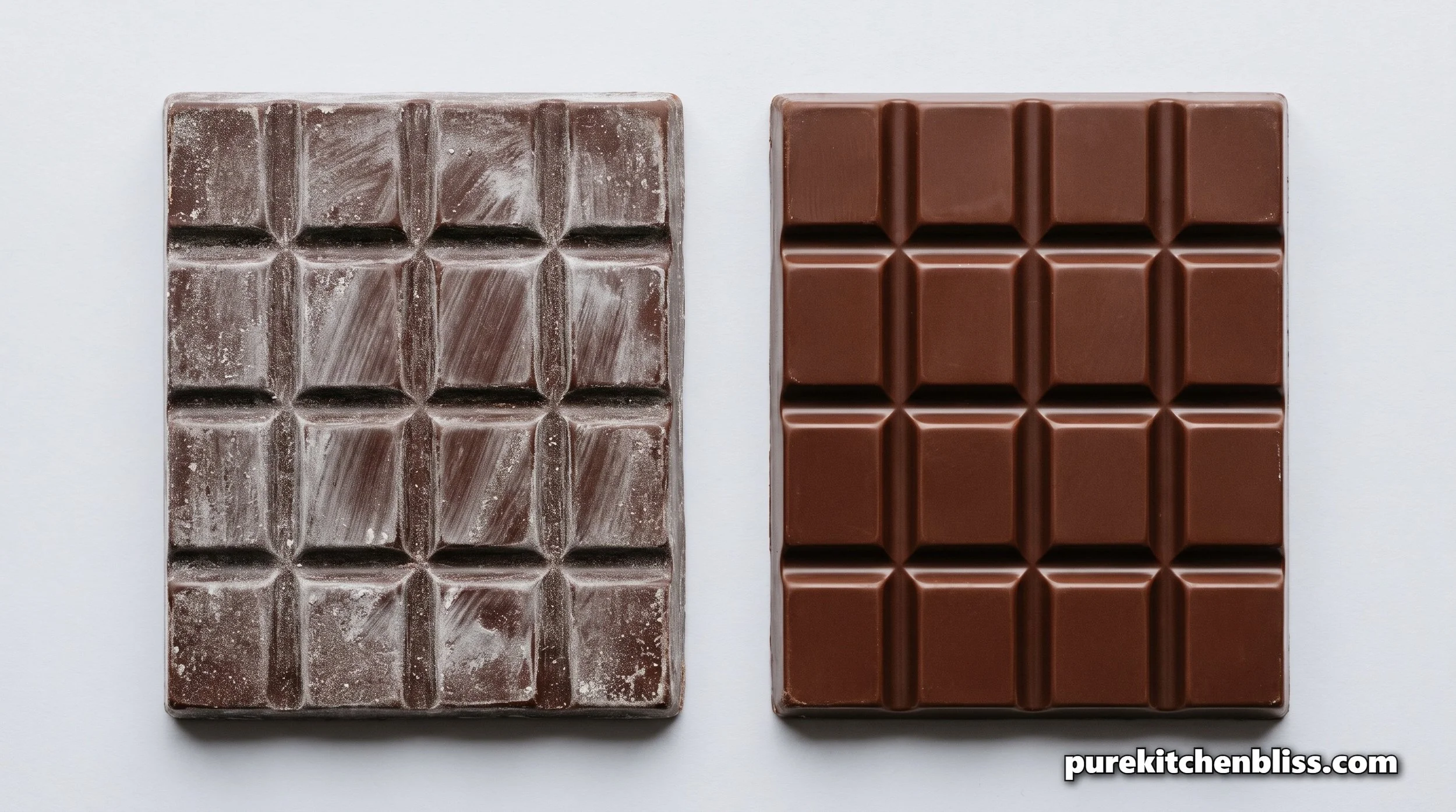
Milk chocolate typically holds its quality for six to twelve months unopened, while dark chocolate, with its higher cocoa content and less dairy, can last up to two years under good storage conditions. The most common thing people mistake for spoilage is bloom, a white, powdery coating that forms when cocoa butter migrates to the surface after temperature swings. It looks like mold to a lot of people the first time they see it, but it isn't. Bloomed chocolate is still safe to eat, it just has a grainier texture and a slightly less clean snap than fresh chocolate. Filled chocolates, anything with peanut butter, caramel, or nuts inside, sit at the shorter end of that range, generally six to nine months, because those fillings introduce moisture and oils that the surrounding shell doesn't fully protect against.
Gummies, and why they age differently than everything else
Gummy candy runs on the opposite problem from hard candy. Unopened, gummies generally hold their texture for six to twelve months, but instead of absorbing moisture, they tend to lose it over time as the gelatin dries out. A gummy bear that's gone from chewy to stiff hasn't spoiled, it's just dehydrated, and while it's still technically safe to eat, the texture is usually unpleasant enough that most people won't want to. Once a gummy has fully hardened, there's no bringing that texture back, unlike chocolate, which can be remelted.
| Candy type | Unopened shelf life | Main sign it's done |
|---|---|---|
| Hard candy (Jolly Ranchers, lollipops) | 1–2 years, sometimes indefinite | Sticky or cloudy surface |
| Milk chocolate | 6–12 months | Rancid smell, not bloom |
| Dark chocolate | Up to 2 years | Rancid smell, not bloom |
| Filled chocolate (caramel, peanut butter, nuts) | 6–9 months | Off smell or texture in the filling |
| Gummies and jellies | 6–12 months | Rock hard, brittle texture |
| Sugar-free chocolate | 3–6 months | Separation, oily or grainy texture |
Sugar-free candy ages differently, and usually faster
Sugar-free candy uses sugar alcohols like maltitol or erythritol in place of sugar, and these sweeteners don't provide the same preservative effect. Sugar-free hard candy and gummies generally track close to their regular-sugar counterparts, but sugar-free chocolate tends to separate and develop an oilier texture faster than standard chocolate, since the fat-to-sweetener ratio behaves differently once temperature cycling starts. If sugar-free candy is part of what's in the bowl, I'd treat it as the shortest-life category in the house rather than assuming it behaves like everything else, and check it a little more often through the season.
Does the freezer actually help
People ask me this every year, and the honest answer is it depends heavily on the type. Chocolate freezes reasonably well for long term storage, months beyond its normal shelf life, as long as it's sealed tightly enough to prevent condensation when it thaws, since moisture is what triggers bloom in the first place. Hard candy doesn't need the freezer at all, it's already stable at room temperature and freezing adds a moisture risk on the way out that isn't worth the tradeoff. Gummies are the one category I'd actively avoid freezing, since the cold accelerates the same moisture loss that ages them at room temperature, just faster. If you're trying to stretch out a stash, chocolate is the only category where a freezer genuinely buys you meaningful extra time.
Storage matters more than the calendar does
The date on the bag is a starting point, not a hard deadline, and storage conditions move that timeline more than most people expect. Heat, humidity, and direct light are the three things that shorten candy's life fastest, so a sealed container in a cool, dark pantry shelf will consistently outlast the same candy left in an open bowl on a sunlit counter. I see this constantly on the renovation side of things too, a pantry on an exterior wall with poor insulation swings ten or fifteen degrees warmer through a summer afternoon compared to an interior cabinet, and that kind of temperature cycling is exactly what triggers chocolate bloom faster than anything else. If your pantry runs warm, an interior cabinet is a better long term home for chocolate specifically, even if it means giving up a little visibility.
If your pantry consistently runs humid, and a lot of older homes have at least one cabinet that does, a small moisture absorber or a handful of food-safe silica packets tucked into the candy bin does more than people expect for very little effort. I've also seen the fix be structural rather than a product at all, a pantry built against an uninsulated exterior wall or sitting too close to a dishwasher vent will run measurably more humid than one on an interior wall, and no container fully compensates for a cabinet that's fighting its own environment. If candy, or honestly any dry pantry good, keeps going stale faster than it should in one specific cabinet, that's usually a sign worth investigating rather than a coincidence.
This is the same logic behind how we set up the fridge and pantry zones for school lunches, airtight storage and a consistent, sensible location do more for shelf life than any specific product claim on the packaging. If you went through the candy inspection and storage system we covered earlier this month, the same sealed bins you set up for tampering and allergen sorting are exactly what extends shelf life too, it's the same setup doing double duty.
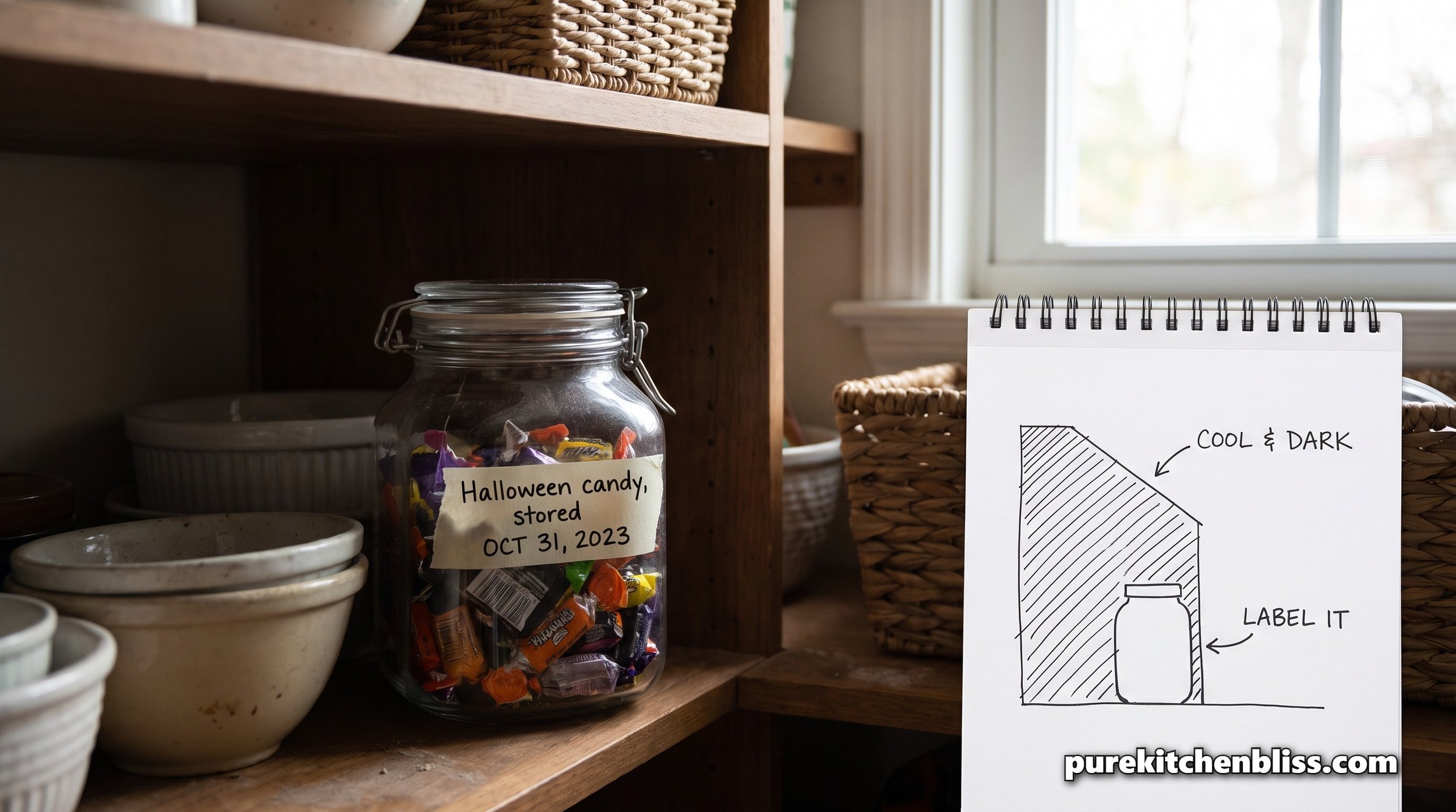
For the storage itself, I still reach for the same kind of airtight containers we use for the rest of the pantry, and for anything I want to stretch well past six months, vacuum seal bags pull out enough air to meaningfully slow both moisture loss in gummies and moisture gain in hard candy. Labeling the container with the date it went in, using a basic label maker, takes the guesswork out completely instead of trying to remember when Halloween actually was, which is exactly the kind of detail that gets lost by February.
What to do with more candy than your family will actually eat
If you end up with more candy than makes sense to store for months, donation programs are worth knowing about before it just sits there aging past the point anyone wants it. Several dental offices run Halloween candy buyback programs in the first week or two of November, trading candy for a small cash incentive or a toy, and shipping the collected candy to organizations like Operation Gratitude, which packs it into care packages for deployed troops. Timing matters here more than people think, most of these programs only run for a narrow window right after Halloween, so if that's a route you want to take, it's worth checking with a local dentist or pediatric practice in the days immediately following rather than a few weeks out once the stash has already been picked over.
The actual signs it's time to toss it
Skip the guesswork and check three things. Smell first, anything rancid, musty, or noticeably off means it's done, regardless of what the calendar says. Texture second, chocolate that's gone soft or crumbly instead of snapping cleanly, or a gummy that's turned rock hard and brittle rather than just firm, has degraded past the point of being worth eating. Look last, any mold is an immediate discard, though it's genuinely rare given how little moisture most candy holds onto. If none of those three things are present, the candy is very likely still fine, even months past when you'd guess just from the date on the wrapper.
What I actually do with the stuff that's aging out
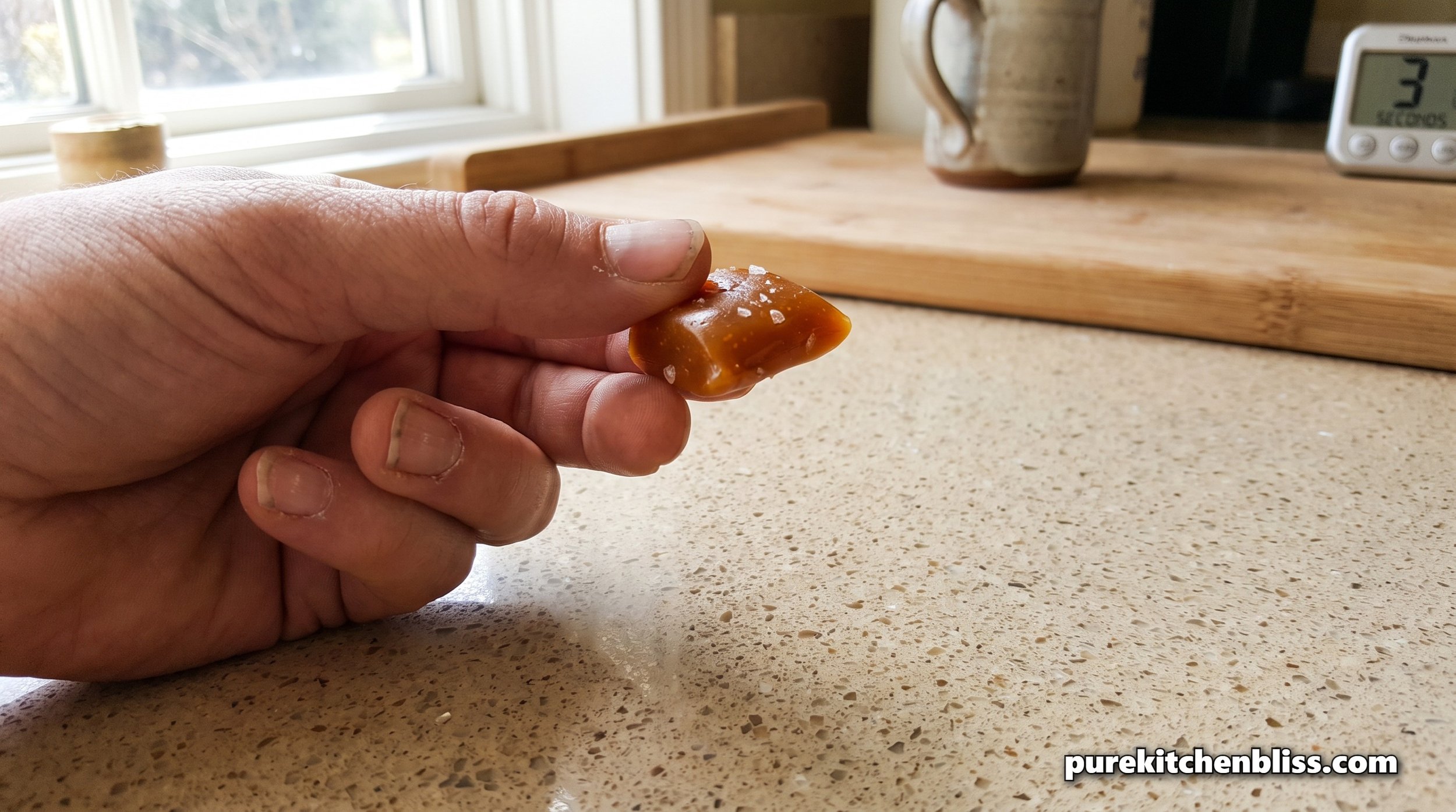
Candy that's past its best but not spoiled doesn't have to go straight in the trash. Chocolate that's bloomed but hasn't gone rancid melts down fine for baking or hot chocolate topping, since the texture issue disappears completely once it's remelted and reset. Hard candy that's gotten a little sticky can be crushed and used as a topping for ice cream or baked into something else entirely, the texture problem stops mattering once it's broken up. Gummies that have stiffened up are really the only category where there isn't much of a second life, at that point they're just a texture nobody wants in any form, and I toss those without much guilt once they've gone past chewy into genuinely hard.
What this actually comes down to
None of this requires checking a calendar every week or throwing out a full bowl of candy the moment November starts. Hard candy and dark chocolate will outlast almost anything else in the house, often by a full year or more. Gummies, filled candies, and sugar-free chocolate are the ones actually worth watching first, since they're on the shorter end of every range here. A sealed container in a cool, dark, interior spot with reasonable humidity buys every category more time than leaving it in whatever bag it came home in. And smell, texture, and mold are the only three checks that actually matter, everything else, including the date printed on the bag, is just a rough guideline built with a wide safety margin already baked in.