How to Inspect and Store Halloween Candy Safely
Transparency Note: We independently select these products based on research and user reviews. If you buy something through our links, we may earn a commission.
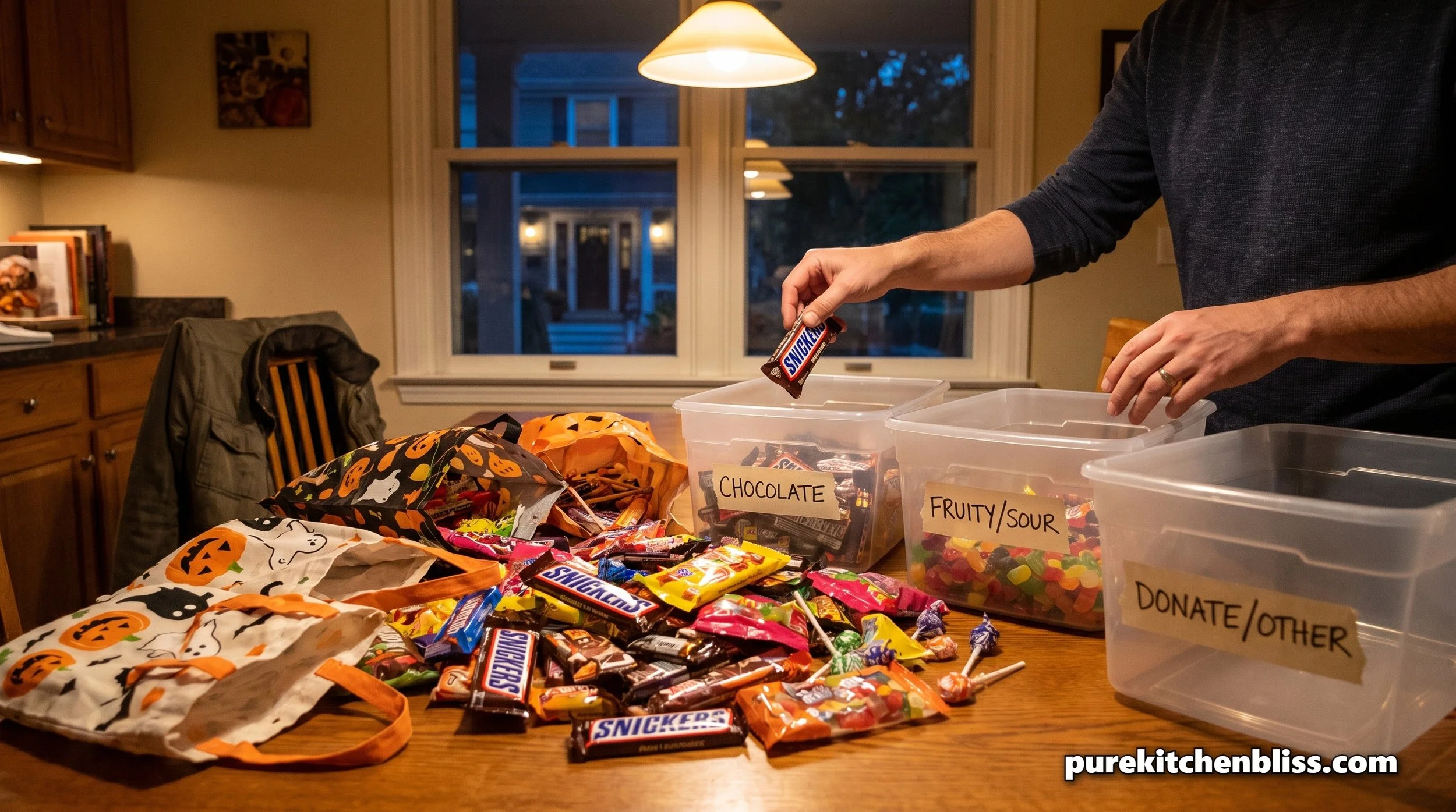
Every Halloween ends the same way in my house. Four kids come through the door, dump their bags out on the kitchen counter at the same time, and for about ten minutes it looks like a candy factory exploded. My wife and I go through every single piece before anyone eats anything, and after doing this for a decade with four different kids at four different ages, I've landed on a system that actually works instead of just standing there overwhelmed by a mountain of fun size wrappers.
Most parents assume the main danger is tampering, someone slipping something into a wrapper. That does happen, but it's rare. The more common risks are quieter: choking hazards for younger kids, allergens hiding in ingredient lists nobody reads under porch light, and candy that just sits in a drawer for months past the point it should have been tossed. Here's the actual process I use, and the reasoning behind each step.
What to actually look for when you inspect
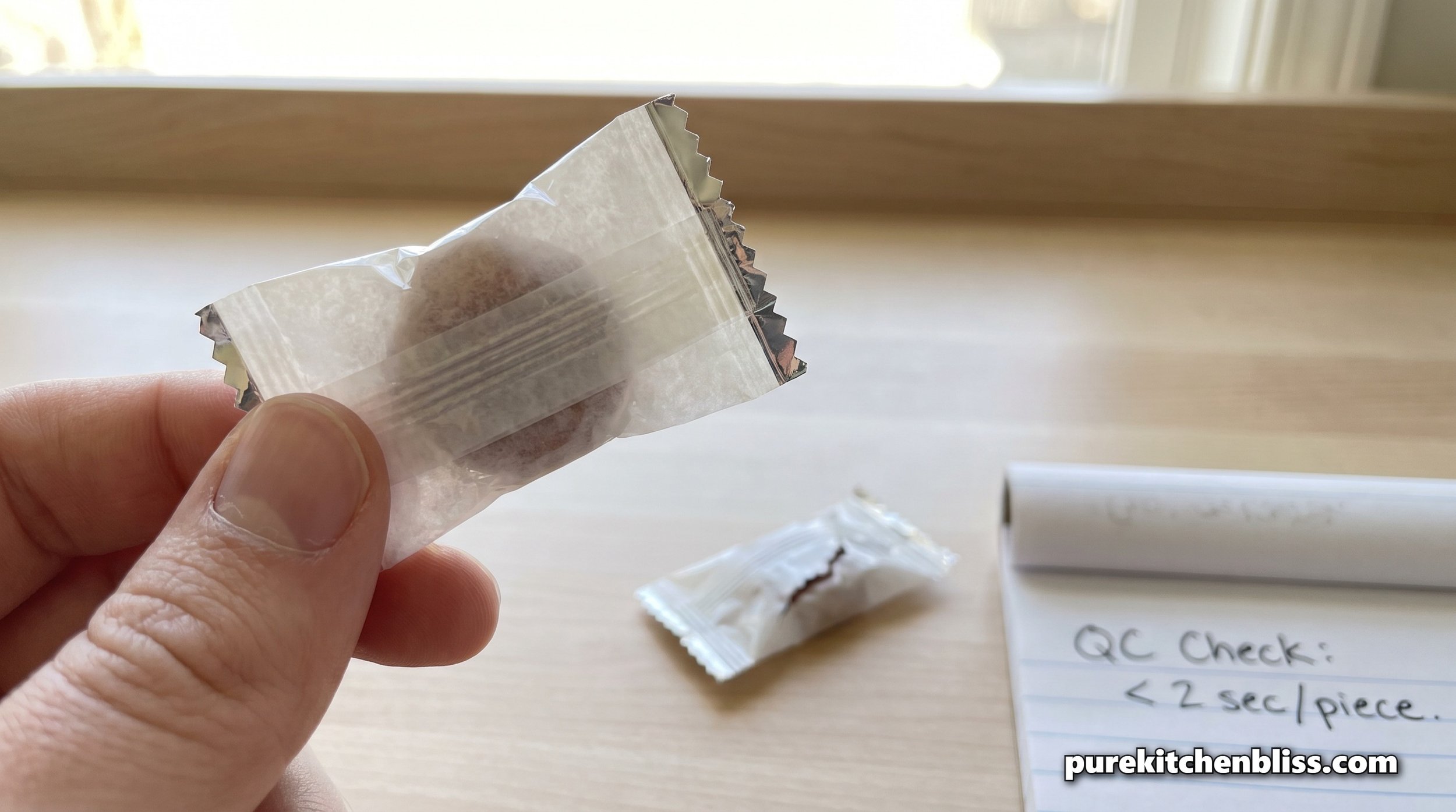
The FDA's Halloween safety guidance is straightforward, don't let kids eat anything that isn't commercially wrapped, and skip homemade treats unless they came from someone you personally know and trust. Beyond that, I check every wrapper for tears, small holes, or a seal that looks like it's been opened and pressed back down. Discoloration or an off smell is another flag, and pediatric sources are consistent on this point, when in doubt, throw it out. It costs you one piece of candy. It's not worth the argument with yourself at 9pm trying to decide if a slightly torn wrapper is fine.
For candy without an expiration date printed anywhere, and a lot of snack size pieces don't have one, general guidance from food safety and poison control sources puts a reasonable ceiling on Halloween candy at about three months before quality and safety start to become a real question. That's longer than most families think, but it's also not indefinite, which matters once the candy gets buried in a cabinet and forgotten until March.
Sorting by age and allergen risk before anyone eats anything
This is the step most families skip, and it's the one that actually prevents problems instead of just catching them after the fact. Hard candies, gum, and anything round and chewy are choking risks for kids under five, full stop, according to both the FDA and pediatric emergency guidance. I pull those out completely for my youngest and set them aside for the older kids instead.
The other sort is for allergens. Peanuts, tree nuts, milk, and wheat show up in a huge share of mainstream candy, and individually wrapped fun size pieces sometimes skip a full ingredient list on the wrapper itself. If any of your kids has a known allergy, that candy gets a separate bin and a label, and if the ingredients aren't listed, I look the brand up before it goes anywhere near a lunch box. If you're building out any part of a lunch station where this candy might end up mixed in with school snacks, our guide to organizing the fridge and pantry for school lunches covers the same kind of dedicated, labeled zone approach.
Where the candy actually lives once it's sorted
Once everything is checked and sorted, the next mistake is letting it sit in whatever bag or bowl it landed in. I keep a set of airtight containers just for holiday candy, stored on a high pantry shelf, out of easy reach for the youngest two kids but still visible enough that nobody thinks it's been thrown away. Airtight storage matters here for the same reason it matters for any pantry snack, it keeps candy from going stale or picking up moisture, and it keeps ants and pantry pests from finding an open bag. Containers like these work well for this specifically because the lids seal tighter than a folded over bag ever will.
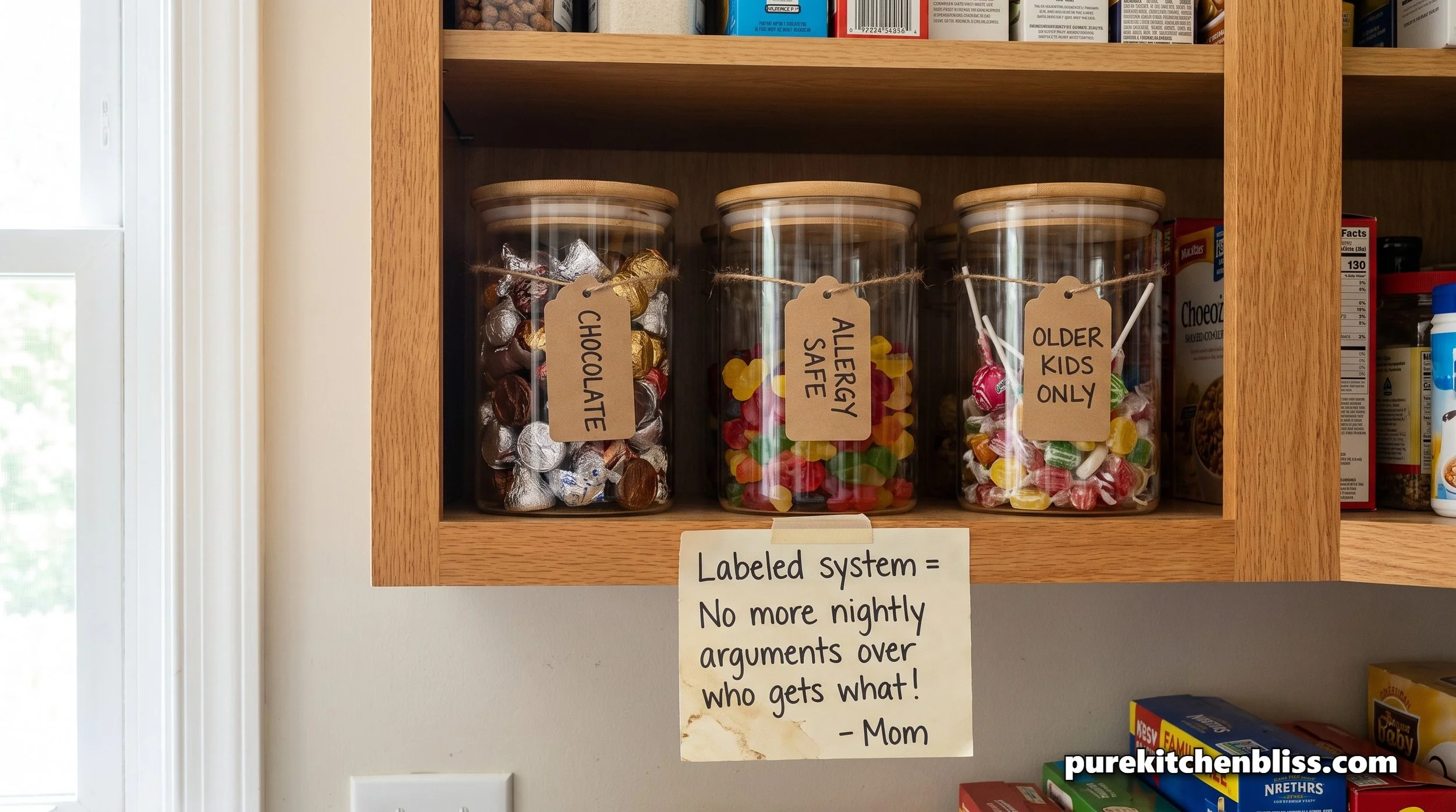
If you're setting this shelf up from scratch, the same layout logic applies as any other pantry zone. We cover the fuller version of this in our fridge and freezer organization guide, and the best fridge storage containers roundup has options that work just as well for a pantry shelf as they do for a fridge.
What I built for this specifically
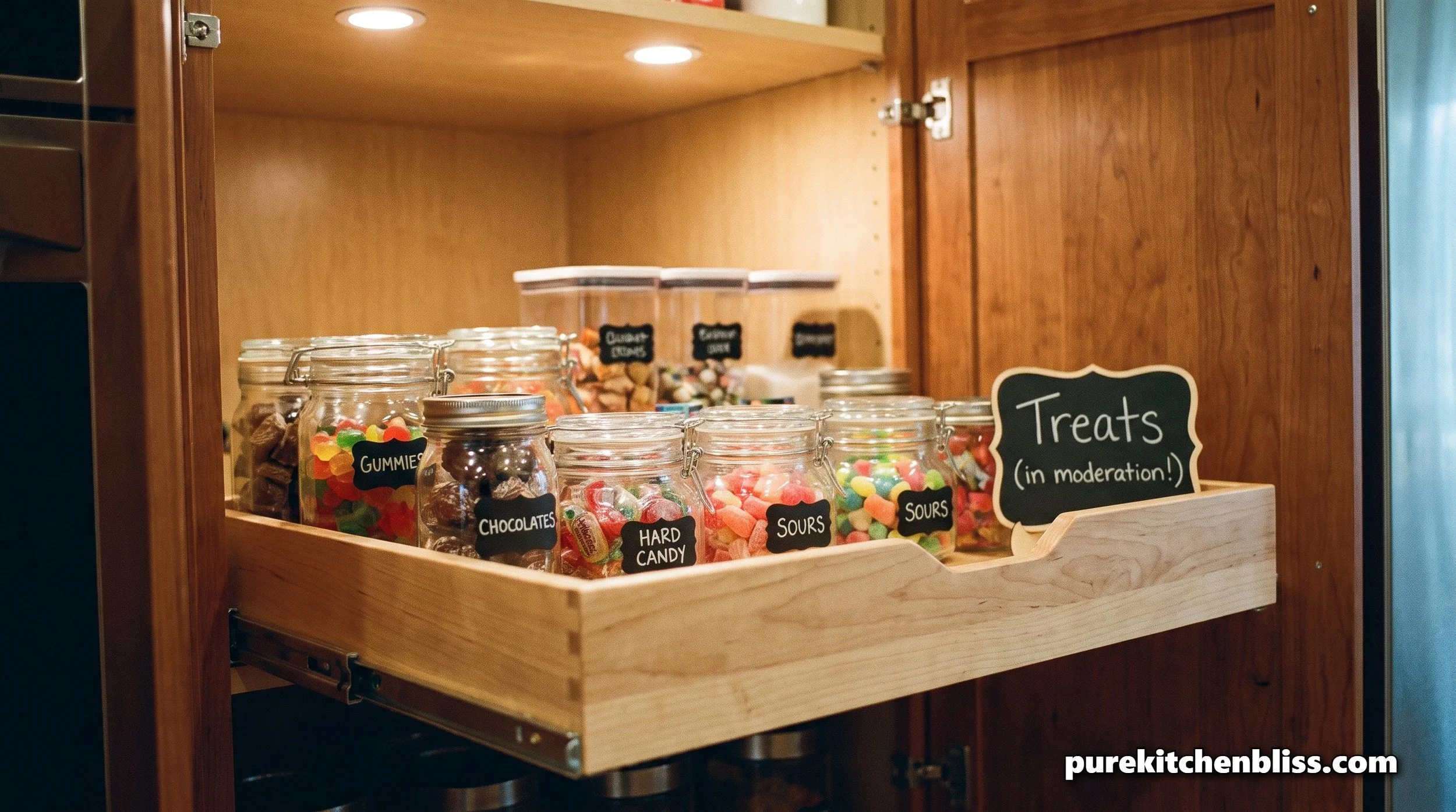
A few years ago I got tired of candy migrating to every counter and junk drawer in the house, so I built a shallow pull-out bin into the bottom of our pantry cabinet, just for seasonal candy. It's low enough for the kids to see it exists, but it closes fully, which cuts down on the grazing that happens when a bowl just sits out on the counter for two weeks straight. You don't need a built-in to get the same effect, a single dedicated, labeled container that lives in one consistent spot does the same job, it just takes a little more discipline to keep everyone using it.
What to do if something looks genuinely wrong
If a piece of candy looks tampered with, has an unusual smell, or you're worried a child may have eaten something they shouldn't have, Poison Control is available 24/7 at 1-800-222-1222 or through their online tool, and they'd rather field a call that turns out to be nothing than have a family guess wrong. That's a resource worth keeping saved in your phone every October, not just looked up in the moment.
| Warning sign | What it means | What to do |
|---|---|---|
| Torn wrapper or pinhole | Possible tampering or damage in transit | Discard, do not taste to check |
| Resealed or loose seal | Packaging may have been opened | Discard |
| No brand or ingredient list | Unverifiable allergen content | Look up the brand before allowing it, or set aside |
| Homemade or unwrapped treat | No safety standard behind it | Only accept from someone you personally know |
| Hard, round, or sticky candy | Choking risk for kids under 5 | Set aside for older kids or discard for young children |
| Unusual smell or discoloration | Possible spoilage or contamination | When in doubt, throw it out |
What this system actually prevents
None of this requires treating Halloween candy like a hazmat situation. It requires checking wrappers before anyone eats, pulling out choking risks for the youngest kids, separating allergens before they end up mixed into a lunch bag, and giving the candy one consistent, sealed home instead of letting it spread across every counter in the house. Do those four things and the actual risk drops to nearly nothing, without turning a fun night into a stressful one.